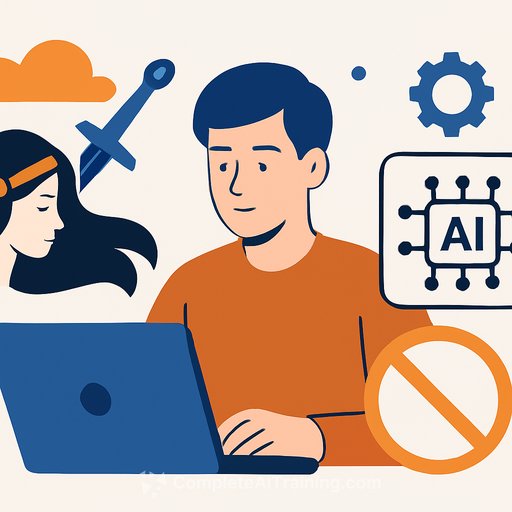
Game Studio Rejects AI Upscaling Tech Over Concerns About Artistic Control
S-Game Studio, developer of the action-RPG Phantom Blade Zero, said it will not use Nvidia's DLSS 5 upscaling technology or similar AI visual tools that could override its artists' creative decisions. The studio made the announcement on April 10 after its game appeared on a list of titles supporting the controversial new feature.
The move comes after DLSS 5 generated widespread mockery online for producing distorted NPC faces in tech demos-a problem players dubbed "slopface." The backlash highlighted concerns about AI tools making unwanted changes to visual content.
What S-Game Said
"Every single piece of content in our game has been crafted by the hands of real artists," the studio said in a statement. "We will not use AI visual tech that could alter our artists' original creative intent."
S-Game detailed production choices designed to ground the game in human craftsmanship. Character models are built from 3D scans of the cast. Voice acting was recorded separately in Chinese and English. Weapon replicas were forged by actual blacksmiths.
The studio emphasized that human artistry itself-not just the products it creates-is the core value. "S-GAME didn't just hire a group of developers to make a game; rather, we decided to make a game that everyone here could be deeply proud of," the statement said.
The Context
Phantom Blade Zero launches September 6 as a grimdark action game built around martial arts techniques and traditional swordplay. While Nvidia didn't showcase the game using DLSS 5, the company listed it as a future supporter of the technology in a blog post.
S-Game did not name Nvidia or DLSS 5 directly, but the timing and language of the statement make the target clear. The studio's position reflects a broader concern among creatives: that AI tools, even when intended to improve performance or visuals, can override artistic choices made during development.
For designers and artists, the issue is practical. Tools marketed as enhancements can alter work in unpredictable ways. S-Game's approach signals that some studios see maintaining control over the final product as non-negotiable.
Your membership also unlocks: