Pharmaceutical Patient Services Programs Stuck With Outdated Data Tools
Pharmaceutical manufacturers spend heavily on patient services-nurse navigators, financial assistance, mobile apps, in-home testing-to keep patients on medication. Yet most rely on analytics platforms so old they can't spot which patients are about to quit taking their drugs until it's too late.
More than 20% of U.S. prescriptions are never filled. When out-of-pocket costs hit $500 or more, 60% get abandoned. Patient services teams manage dozens of intervention options but lack the data infrastructure to know which patients need help and when.
The lag between data and action
Many programs still use spreadsheets, email dashboards and slide decks to share patient information. By the time data reaches decision-makers, it's weeks or months old.
Some organizations manually build abandonment-risk models using demographics and payer trends. These get updated infrequently and become inaccurate quickly. Teams often wait to see which patients get stuck longest before reaching out to prescribers-a reactive approach that fails patients whose health is on the line.
AI can flag risk before patients quit
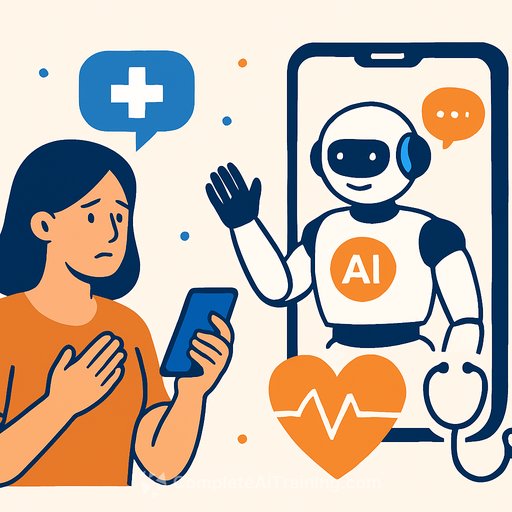
AI-enabled analytics estimate abandonment risk immediately upon enrollment with high accuracy. This allows patient services teams to offer targeted support before patients or their doctors give up on access.
When hub data arrives, modern systems flag high-risk factors in real time: a provider's office lacking staff to complete insurer paperwork, or insurance plans known to delay approvals. Field representatives can then work with physician offices to navigate insurance hurdles before patients drop out.
A patient prone to missing doses could receive a smart bottle that reminds them and tracks compliance. They stay on medication, symptoms stay controlled, and they avoid disease progression and costlier treatments.
Privacy and compliance are solvable
Organizations hesitate to move from legacy systems partly out of compliance concerns. Modern solutions address this. Patient data can be anonymized and aggregated, stored inside the organization's firewall, with random character strings replacing patient identifiers.
With pre-authorization for outreach, teams track patients across co-pay vendors, hub vendors, free goods pharmacies and retail pharmacies without compromising privacy. Predictive analytics let them reach out before patients stop following treatment plans.
Implementation requires more than IT
Successful AI pilots involve all stakeholders-clinical, operations, finance-not just IT. Technical expertise must support business goals to deliver return on investment.
The first step is assessing current patient services maturity and analytics capability. Next, organize patient journey data for AI models to detect abandonment risk patterns. As models accumulate data and feedback on outreach outcomes, they improve over time.
Proven technology, not experimental
These data-mining solutions have operated in other industries for years. They're reliable and compliant, not emerging experimental tools.
In the near term, modernized patient services improve medication adherence and revenue. Over the longer term, organizations that upgrade now position themselves to adopt new data capabilities as they emerge, keeping pace with competitor capabilities and continuing to improve patient outcomes.
For healthcare professionals managing patient services programs, the question is no longer whether modern analytics work-it's why your organization hasn't adopted them yet. Learn more about AI Data Analysis Courses and AI for Healthcare to understand how these systems function.
Your membership also unlocks: