Generative AI Is Forcing a Rethink in Education - Here's What School Divisions Can Do Now
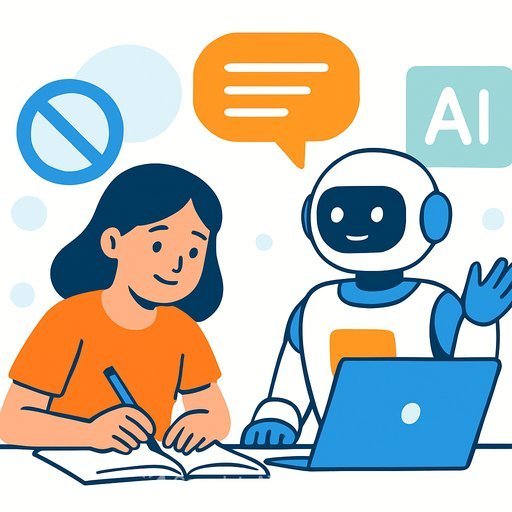
Generative artificial intelligence will disrupt the education system. That's not hype - it's already happening in classrooms and homes. Prairie South School Division superintendent Dustin Swanson told trustees the job now is to prepare students for the future while keeping learning authentic and accountable.
His stance is balanced: AI brings real gains and real risks. "It's not a magic-bullet solution to education challenges, nor should we view it as a threat to turn teachers into robots," he said during the division's January board meeting.
Develop a Future-Ready Workforce
AI use is widespread - over a billion people use it daily - and employers expect staff to be fluent. The division's strategy to build employable skillsets is served by responsible AI literacy and practice.
By 2029, the Programme for International Student Assessment (PISA) is expected to include AI-related skills. That alone signals a shift in what graduates will be asked to do. Students and staff are already using AI for learning and efficiency, which means the division has to "strike the correct balance" without over-relying on it. Learn more about OECD's PISA.
Policy, Literacy, and Guardrails
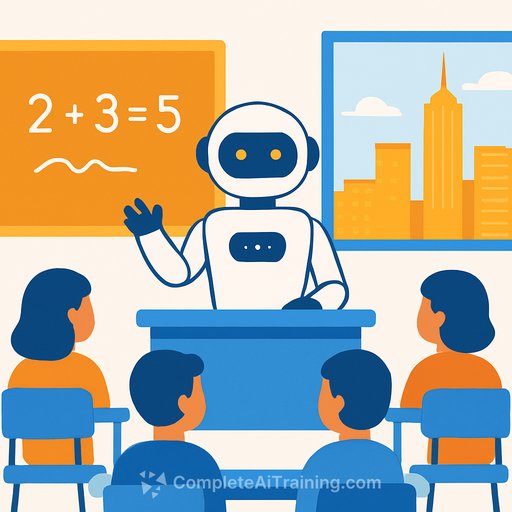
At a minimum, schools have an obligation to teach AI literacy - similar to reading, media literacy, or digital citizenship. Provincial guidance has been limited, so Prairie South has been drafting its own approach.
A draft shared with staff in August outlined guardrails for classroom use, with a focus on privacy, data protection, and competency growth for both students and employees. "We need a really good understanding of where and how AI fits into the classroom," Swanson said.
What AI Is - and Why It Feels Different
AI simulates human intelligence and problem-solving. Generative AI tools - like ChatGPT, Google Gemini, and Microsoft Copilot - learn patterns, build relationships between ideas, and produce text, images, music, or code based on prompts.
To show how quickly capability can shift, Swanson pointed to IBM's Deep Blue beating Garry Kasparov in 1997 - a milestone that now fits in your pocket as a cheap chess app. The change in 25 years has been dramatic. IBM's Deep Blue.
Waves of Technology - With a New Twist
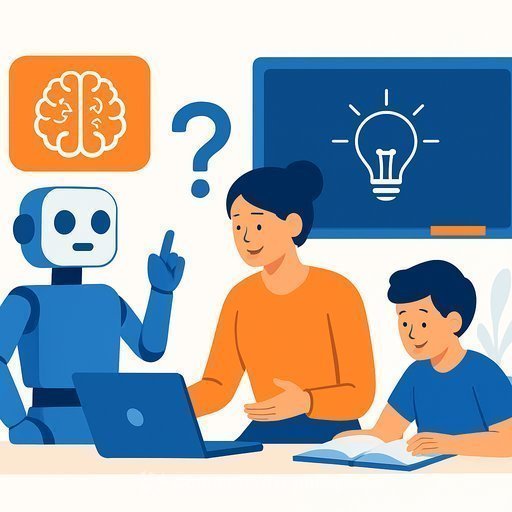
Education has moved through waves of radio, typewriters, and the internet. Generative AI is the latest wave, with one big twist: it lets students offload thinking. That forces a core question - what do we want learning to look like now?
Division leaders tested tools at an AI summit and saw practical wins, like summarizing 20 years of board minutes in minutes. The opportunity is clear, so are the tradeoffs.
Benefits Educators Can Leverage
- Generate first drafts, outlines, and practice questions quickly.
- Summarize long texts or complex events for quicker comprehension.
- Adjust reading levels (e.g., reduce a Grade 10 novel to a Grade 5 vocabulary) for accessibility.
- Coach students for job interviews with mock prompts and feedback.
Challenges You Can't Ignore
- Reduced critical thinking if students over-depend on AI.
- Equity and access gaps across classrooms and homes.
- Bias and ethical concerns in model outputs.
- Cheating risks and unclear authorship.
- Privacy and data security for students and staff.
"Above all … student agency versus accountability versus responsibility is the main thing that we face," Swanson said. The more AI is used, the more that balance is tested.
How Students Are Using AI Right Now
- K-12: Most common personal uses include leisure, counselling, and companionship.
- In class: Translation, image creation, and video generation.
- University: Information search, grammar checks, summarizing, paraphrasing, and drafting essays.
Practical Next Steps for School Leaders
- Teach AI literacy: prompts, verification, bias checking, and productive use. See the AI Learning Path for Primary School Teachers for classroom-aligned resources.
- Finalize and communicate guardrails: where AI is allowed, how it's credited, and when it's off-limits.
- Protect privacy: review data policies for any tool that touches student information.
- Redesign assessment: more process evidence, oral defenses, and in-class creation to reduce over-reliance.
- Invest in PD: give teachers time and structure to test tools and share use cases. School leaders can consult the AI Learning Path for Training & Development Managers to design PD and governance.
- Pilot clear wins: reading-level adjustments, differentiation, and administrative summarization.
- Clarify expectations: spell out student agency, accountability, and responsibility in syllabi.
- Plan for PISA: map AI skills to curriculum so students aren't surprised in 2029.
- Address equity: provide access pathways and alternatives for students without tools at home.
Resources
- OECD PISA overview (context for assessment shifts)
- Complete AI Training - Courses by Job (structured options for educator-focused upskilling)
What's Next
The next Prairie South School Division board meeting is on Tuesday, Feb. 10. Expect updates on policy, professional development, and how AI will be used - and limited - in classrooms.
Your membership also unlocks: