Predictive Text Is Changing How Writers Write
Your phone suggests "Let me know if you have any questions" before you finish typing "Let." Email clients complete your sentences. Text messaging apps offer word choices ranging from mundane to absurd. Predictive language technology has become so embedded in daily writing that most people barely register it anymore.
But the technology raises a direct question for writers: What happens to your voice when AI completes your thoughts-or generates them from scratch?
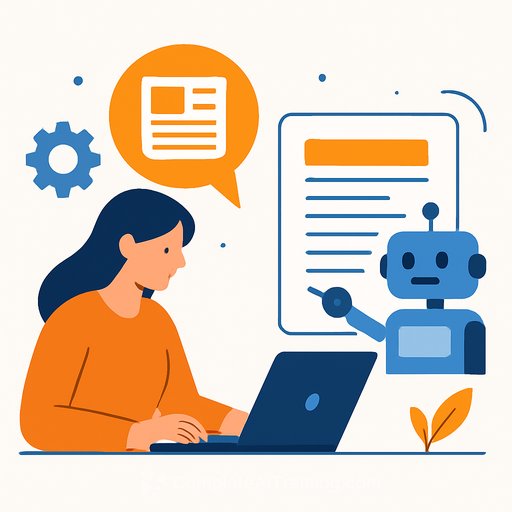
Systems like ChatGPT, Gemini, and Claude have been woven into the writing process so thoroughly that it's nearly impossible to imagine the alternative-a writer alone with pen and paper, wrestling with how to translate ideas into legible, interesting prose. The shift has consequences for individual expression.
The myth of the solitary writer
The image of the isolated writer, working without outside influence, was never accurate. Essays have always incorporated feedback from teachers, tutors, or peers. A friend's comment shapes your argument. A novelist's phrasing sticks with you and resurfaces in your own work. The language you use draws on millions of sources absorbed over a lifetime.
There has never been a clear boundary between genuine human expression and machine-generated text. Writers have relied on machines to communicate for centuries-from the quill pen to the typewriter to the word processor. Each technology changed how humans express themselves.
Predictive text creates predictable writing
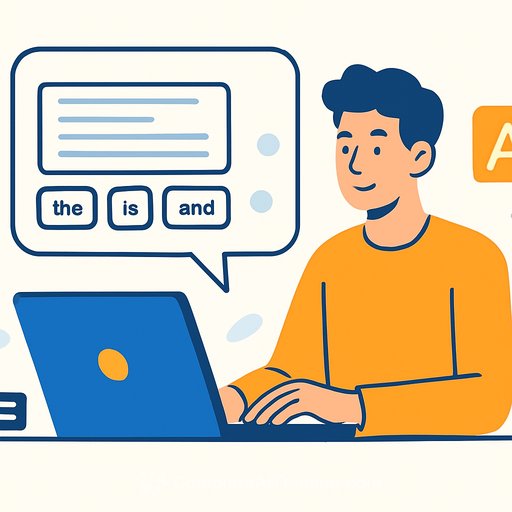
The current shift differs in scale and speed. When AI systems predict your next word or phrase, they nudge writers toward patterns those systems have learned from vast amounts of existing text. The suggestions are statistically probable, not individually distinctive.
A writer working with predictive assistance faces a real pressure: accept the suggestion because it's there, or spend extra effort to choose something different. Repeated across thousands of writing decisions, this friction shapes voice.
For writers, the question isn't whether to engage with these tools-they're already embedded in the platforms you use. The question is whether you're aware of how they influence your choices, and whether you're making deliberate decisions about when to accept suggestions and when to resist them.
Learn more about how generative AI and language models are reshaping communication, or explore resources on AI for writers.
Your membership also unlocks: