"AI isn't replacing dealmakers anytime soon, but it is changing how private equity teams find, assess, and grow investments. From faster diligence to smarter value-creation strategies, AI is becoming a genuine competitive advantage. If you're involved in PE transactions, it's worth understanding where this technology can help and where human judgement still matters."
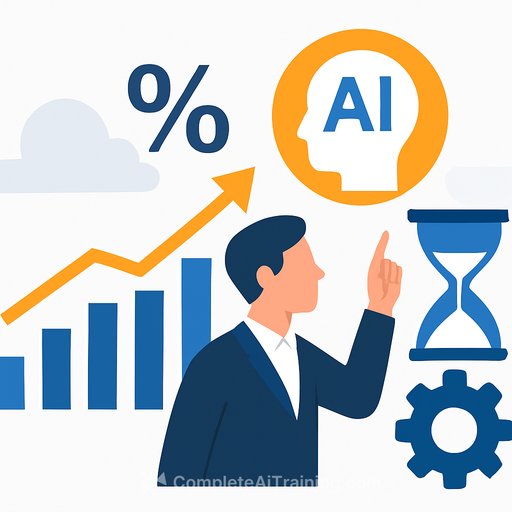
AI has moved past back-office experiments. It's now showing up across the deal cycle-sourcing, diligence, value creation, and exit-giving funds sharper signals and faster answers.
The edge goes to teams that use AI to do more of the right work, sooner. Here's how that plays out in practice.
- How AI is used to source and screen targets
- Where funds and advisers deploy AI during diligence
- The role of AI in portfolio value creation
- How AI-enabled insights support exit planning
Deal origination
Traditional sourcing relies on networks and sector pattern-matching. AI adds coverage and speed by scanning large datasets-financials, hiring trends, sentiment, and market signals-to surface targets showing early momentum or stress.
These tools also map micro-sectors and customer adjacencies, so deal teams can align opportunities to a thesis faster. Predictive models can flag businesses more likely to engage, which sharpens outreach and reduces dead ends.
What to try this quarter:
- Build a watchlist that blends private company signals (web traffic, job postings, product releases) with public comps.
- Use similarity search to find "look-alike" targets that mirror your best historical deals.
- Pair AI scoring with human calls-relationships still convert deals.
Due diligence
Diligence eats time. AI helps by triaging the noise and flagging what matters. Models can scan ledgers for anomalies, trend margins by SKU or cohort, and pressure-test quality of earnings with scenario views.
On the legal side, contract review tools extract change-of-control clauses, MFNs, exclusivities, and unusual indemnities across thousands of pages, producing consistent heat maps across jurisdictions. Advisors finish sooner; sponsors get earlier signal on red flags and value drivers.
What to standardise:
- Data room ingestion templates that auto-classify files and run first-pass checks.
- Model-assisted Q&A to speed RFI loops and reduce duplicate asks to management.
- Clear handoffs where experts validate AI findings and judge commercial impact.
AI integration into portfolio companies
After close, the focus shifts to EBITDA. AI can support forecasting and scenario planning, but the quick wins are in automation and analytics across finance, HR, operations, and customer teams.
Common plays include AP/AR automation, cash forecasting, churn prediction, price optimisation, and inventory planning. These improvements compound-lower cost to serve, tighter working capital, and higher LTV can show up in the first operating plan.
Execution checklist:
- Start with processes that have clean data and repeatable decisions (billing exceptions, ticket routing, credit checks).
- Pilot in one business unit, measure lift, then roll to adjacent functions.
- Set guardrails: data access, model monitoring, and change management for front-line teams.
Exit planning
AI can help produce a tighter, evidence-backed equity story. Tools assemble cleaner vendor due diligence, organise data rooms, and spot missing docs before they slow buyers.
Predictive analytics help sponsors read sector multiples, buyer activity, and timing windows. The result: a clearer narrative that links operating improvements to sustainable metrics buyers care about.
Prep moves that pay off:
- Maintain a live "exit file" with KPI definitions, cohort views, and system-of-record lineage.
- Use model-driven sensitivity analyses to show resilience under different demand, price, and cost scenarios.
- Benchmark KPIs to sector peers and recent deals to pre-empt buyer questions.
What still needs human judgement
AI speeds the mechanics. People still decide thesis fit, edge cases, cultural alignment, and team quality. They weigh risk-reward, negotiate terms, and read the room.
The winning model is simple: AI finds patterns; experts decide meaning and action.
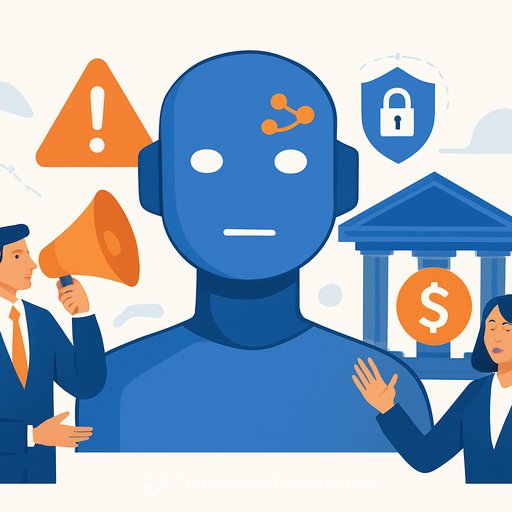
Common challenges (and how to avoid them)
- Data quality and access: Define sources of truth, owners, and refresh cycles before automating.
- Model error and bias: Validate on your data, monitor drift, and keep a human in the loop for high-impact decisions.
- Confidentiality and IP: Lock down prompts, outputs, and training settings; avoid sending crown-jewel data to public endpoints.
- Regulatory and buyer scrutiny: Keep audit trails for forecasts and analyses; align with an AI risk framework such as the NIST AI RMF (guidance).
- Vendor sprawl: Standardise on a small stack, with clear security reviews and ROI thresholds.
Next steps for finance and deal teams
- Pick two sourcing signals and one diligence workflow to automate within 90 days.
- Stand up a portfolio AI playbook with 3-5 proven use cases and owners.
- Institutionalise model governance and documentation so your exit story writes itself.
For hands-on resources across forecasting, risk, and investment analysis, see AI for Finance.
For market context on PE performance and trends, the Bain Global Private Equity Report is a useful reference (latest reports).
Your membership also unlocks: