Deepfakes, Disinformation and Digital Harm: Why MAIL Matters for Every Malaysian School
Students are flooded with content that looks real, sounds convincing, and spreads fast. Some of it is helpful. Too much of it isn't. That's why Media and Artificial Intelligence Literacy (MAIL) belongs at the core of education in Malaysia.
AI already shapes what young people see, share, and believe - from personalised feeds to AI-generated text, images, and video. The World Economic Forum flags mis- and disinformation as a major global risk, underscoring how serious this problem is for public life and student wellbeing. Awareness alone won't fix it; education will.
What MAIL Actually Covers
MAIL blends media literacy and AI literacy. It's the ability to access, analyse, evaluate, engage with, and create media content - and to interact with or design AI systems - while understanding impact, ethics, and responsibility.
At its core is critical thinking. Students learn to judge credibility, detect manipulation, and question bias. On the AI side, they learn how systems work, where they fail, and what that means for privacy, fairness, and accountability.
Why This Belongs in Malaysian Classrooms
The risks are already here: online harassment, bullying, misinformation, identity misuse, and AI-generated deepfakes. If we want graduates who are safe, thoughtful, and constructive online, MAIL can't be an optional add-on.
OECD's PISA will assess Media and AI Literacy as a new innovative domain in 2029, using realistic tasks like browsing, social posting, and interacting with AI tools. That's a clear signal: these skills matter. Schools that act now will protect students and raise overall learning quality.
OECD PISA | Global Risks Report
Core MAIL Competencies Students Need
- Identify bias and stereotypes in media and AI systems.
- Explain how algorithmic personalisation influences what they see and believe.
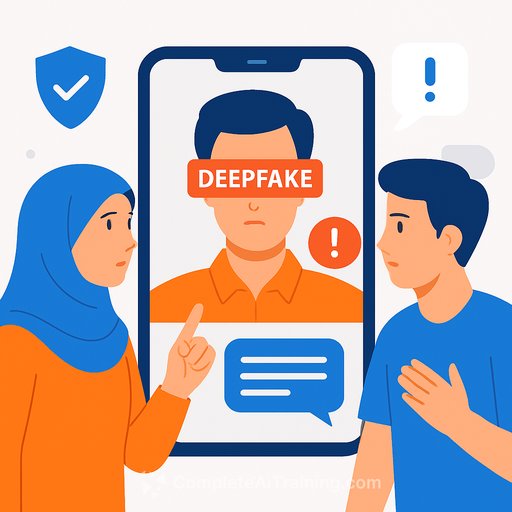
- Spot synthetic, manipulated, or deepfake media (and know what to do next).
- Reflect on ethical, legal, and social impacts: consent, privacy, fairness, accountability.
- Analyse credibility, intent, and consequences before sharing or acting.
Practical Steps Schools Can Take This Year
- Embed MAIL across subjects: Fact-checking in Bahasa and English, data claims in Science, source evaluation in Sejarah, algorithm discussions in ICT. Short, frequent tasks beat one big project.
- Teach with simulations, not lectures: Run mock social feeds, compare search results, and test AI tools in class. Practice spotting edits, checking sources, and setting AI use boundaries.
- Adopt a "pause-verify" routine: Before sharing, students do a 60-second check: source, intent, and impact.
- Update policies and norms: Clear rules for AI use, image consent, and consequences for deepfake misuse. Make reporting easy and safe.
- Build teacher capacity: Provide PD, peer coaching, and quick-reference guides. Consider role-specific upskilling paths for educators via curated programs such as the AI Learning Path for Primary School Teachers or our courses by job.
- Assess what matters: Use rubrics for source quality, evidence, and ethical reasoning. Include short reflections on when to use (or avoid) AI tools.
- Partner with parents: Share quick checklists, host short briefings on deepfakes and privacy, and provide helplines.
- Student leadership: Train "digital stewards" to support peers, run awareness campaigns, and help monitor school channels.
Quick Classroom Routines That Work
- Source-Intent-Impact: Where did this content come from? Why was it created? Who benefits if it spreads?
- AI Use Log: Students record prompts, outputs, edits, and final decisions. This builds transparency and accountability.
- Algorithm Audit: Students reset feeds or compare results on different devices, then discuss how curation changes what they see.
- Deepfake Tells: Practice checking lighting, reflections, edge artifacts, and inconsistent details; verify with reverse image/video tools.
Preparing for PISA 2029 (And Real Life)
PISA will test real-world decision-making: spotting misleading content, judging credibility, and interacting with AI responsibly. These are the same skills students need for daily life, exams, and work.
Start small, measure impact, then scale. A consistent set of routines across subjects will lift student judgment, reduce harm, and improve learning outcomes.
The Call to Action
MAIL is now basic literacy. Equip students to think clearly, act responsibly, and contribute online without causing harm. Build it into curricula, teacher training, and school culture - on purpose and with urgency.
The payoff is simple: safer students, better learning, and a school community that can handle AI and media with clarity and confidence.
Your membership also unlocks: