PTC embeds AI in Windchill to cut duplicate parts and speed reuse
January 28, 2026
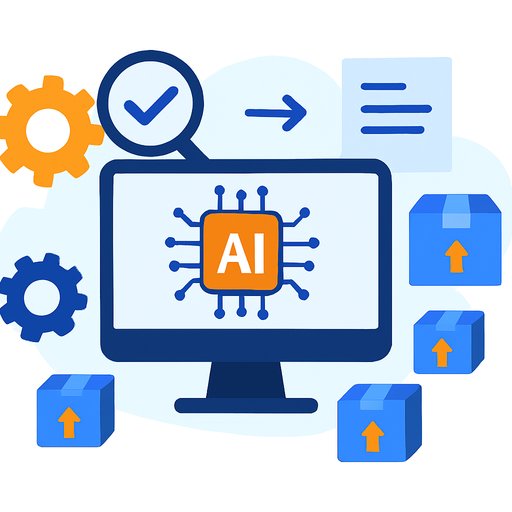
PTC has introduced Windchill AI Parts Rationalization, an AI capability built into its Windchill PLM solution. The goal is straightforward: reduce duplicate and similar parts, make parts easier to find, and clean up inconsistent data that slows teams and drives cost. It analyzes enterprise part data, flags redundancy, and supports consolidation through the change processes you already use. It ships as a plugin, so you can turn it on without disrupting current work and improve in steps, not a big-bang rollout.
What it does inside your workflow
- Identifies duplicate and similar parts across enterprise systems.
- Improves part findability, cutting time spent on manual searches.
- Supports consolidation using existing change management workflows.
- Enhances data consistency to reduce rework and inventory-related costs.
Cleaner part data means fewer surprises for design, sourcing, and manufacturing. Teams can collaborate with more confidence because they're working from the same, accurate set of parts.
Why this matters for product development
Duplicate parts quietly inflate BOM complexity, inventory, and supplier counts. They also hide reuse opportunities that could shave weeks off development. By catching redundancy early and standardizing part records, you improve reuse rates, simplify sourcing, and reduce the chance of late-stage changes.
The plugin approach keeps the focus on outcomes: less time hunting, more time building. You get value without pausing ongoing programs.
Roadmap: more AI inside PLM
PTC has indicated plans to extend Windchill AI with capabilities that help classification, reuse, and decision support. Items on the list include:
- Smart-assisted classification for consistent part categorization.
- Part reuse prompts inside design environments.
- Schema guidance to improve data structure and naming.
- Monitoring duplicates and comparing material and cost attributes.
All of this supports an Intelligent Product Lifecycle approach: strengthen engineering data, then extend its value across the enterprise.
How to get value fast
- Start with a high-volume category (fasteners, connectors, common machined parts).
- Define similarity thresholds and approval rules with engineering and sourcing.
- Run a controlled consolidation through your existing change process.
- Track simple KPIs: duplicate rate, search time, reuse rate, and inventory SKUs per category.
- Iterate by expanding categories once you prove the win.
For product teams evaluating the capability, see PTC's Windchill overview for context on PLM workflows and deployment options: PTC Windchill.
If you're building team skills around applied AI for engineering and operations, explore role-based learning paths such as the AI Learning Path for Training & Development Managers.
Your membership also unlocks: