Publishers join authors in Google AI copyright lawsuit
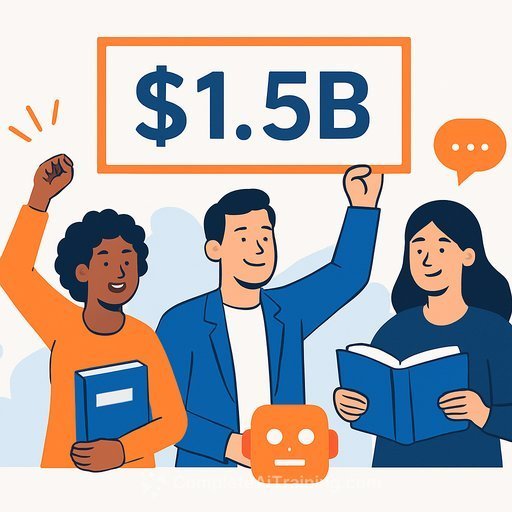
Hachette Book Group and Cengage have asked to intervene in the 2023 class action against Google, which alleges the company used books without permission to train its AI system, Gemini. For background on large-model training and related issues, see Generative AI and LLM.
The move aligns publishers directly with the writers and illustrators who first brought the case. If approved, it increases the legal firepower behind claims that AI training requires permission and payment.
Why publishers are stepping in
The Association of American Publishers (AAP) said publishers moved now because the individual plaintiffs seek to certify a class that includes publishers as copyright owners-and Google has pushed back, citing internal class conflicts. AAP argues publisher participation will help resolve those issues and keep the case moving.
The AAP also noted that publisher involvement brings crucial expertise and evidence to hold AI companies accountable under the Copyright Act and through related legal analysis; see AI for Legal. AAP president and CEO Maria A. Pallante thanked Hachette and Cengage for stepping up, warning the outcome could have far-reaching consequences for writers' and publishers' rights and incomes.
Pallante criticized tech firms for copying books "with impunity" to build large language models and urged a shift from rationalizing to licensing. Her message was blunt: creative works are conceived, developed, and financed by a sector committed to public progress-use should require permission and payment.
Authors' groups weigh in
Society of Authors CEO Anna Ganley backed the intervention, saying platforms that infringe copyright are damaging the global creative economy. She emphasized that authors earn a living from licensing and urged the court to approve the request.
Catriona MacLeod Stevenson of the Publishers Association called it "unconscionable" to train Gemini on copyrighted books without permission or payment, and said more actions of this kind may appear in 2026 as the full scale becomes clearer.
What this means for writers
- Licensing could be on the table: If the court favors plaintiffs, expect stronger norms (and potential payouts) for training AI on books.
- Register your work: Keep clean records and consider registering with the U.S. Copyright Office. It strengthens enforcement and damages. See the U.S. Copyright Act.
- Audit your AI use: Avoid uploading full manuscripts or client work into AI tools. Keep a log of prompts and sources you feed in.
- Check contracts and opt-outs: Review publisher and platform terms. Look for clauses on data use, training, and reuse.
- Band together: Consider joining a guild or association for updates, guidance, and advocacy support, and consult resources aimed at creators like AI for Creatives. Follow the AAP for developments.
The bigger picture
This case could set a key reference point for how fair use applies to AI training and whether permission is required for ingesting books at scale. The decision will influence how your backlist, excerpts, and derived data can be used by tech companies.
Hachette Book Group, Cengage, and Google have been approached for comment.
If you write with AI, do it right
Want practical guidance on using AI in your writing workflow without risking your IP? Explore curated resources for writers here: AI tools for copywriting.
Your membership also unlocks: