
AI news ·
Publishing industry's AI problem is ultimately a labor problem
Publishing's AI problem isn't a detection failure - it's a staffing one. Overworked editors lack the time to spot machine-generated prose, and no software fixes that.
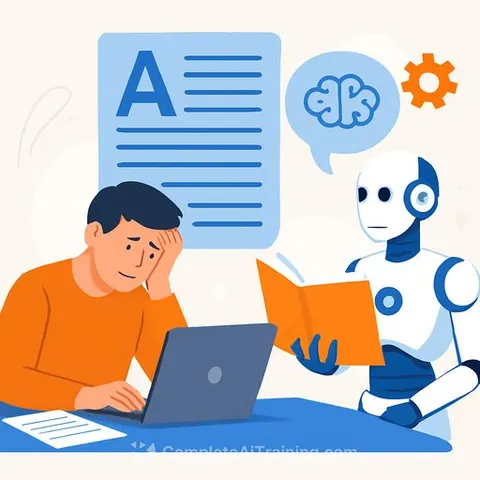
Publishing's AI Problem Isn't Technical-It's a Labor Crisis
The publishing industry faces a genuine threat from AI-generated manuscripts, but detection tools won't solve it. The real issue is that editors lack the time and resources to catch AI usage in the first place.
A major book deal's cancellation over suspected AI authorship has triggered industry-wide anxiety. Publishers now worry about AI slipping past their gates. Readers worry about being deceived. But the proposed solutions-AI detection software-are fundamentally flawed.
Why Detection Tools Fail
Large language models are imperfect copies of human prose. They improve constantly. Detection software designed to catch today's AI writing may be useless against tomorrow's. Some authors naturally write in awkward, repetitive ways that mirror machine output.
Using AI to catch AI compounds the problem. These tools are notoriously inaccurate, flagging legitimate work as machine-generated and damaging emerging writers' careers.
Editors Should Be the First Line of Defense
The person best equipped to spot AI usage is the editor working directly with the manuscript. An editor spending real time with a text develops a feel for its rhythms, word choices, and voice. Clunky phrasing-whether from an AI model or a struggling writer-becomes apparent under close reading.
But editors don't have that time anymore. Publishing houses have cut staff repeatedly over recent years. Remaining editors juggle the workload of multiple people while managing job security tied to annual sales figures.
Short on time, editors prioritize speed over care. They can't spend the hours necessary to truly shape a manuscript, especially self-published works acquired by major publishers that may never have received rigorous editing before.
The Real Problem: Corporate Priorities
This crisis reveals a deeper issue. Publishing companies value quantity over quality. They've automated decision-making and cut human expertise to maximize output, then turned to technology to manage the consequences.
The fix isn't algorithmic. It's structural. Editors need time-actual, protected time-to read carefully and think critically about the work in front of them. Creative work doesn't happen on factory schedules.
Readers deserve books shaped by human judgment, not rushed through production lines. Giving editors the resources to do their jobs properly won't eliminate AI from publishing, but it's the only approach that addresses the actual problem.