Kean Professor Leads Research on AI in Early Childhood Education
Published December 1
As AI moves into classrooms, Professor Jennifer Chen, Ed.D., is leading research on how it affects children ages 3 to 8-and how educators and families can use it ethically, responsibly, and effectively. Her recent articles in AI Enhanced Learning and Early Childhood Education Journal report clear benefits for learning and comprehension, alongside real ethical challenges. Her work helps position Kean University at the front of AI and technology research in education.
"Professor Chen's research reflects Kean's commitment to innovation in education," said Sancha K. Gray, Ed.D., acting dean of Kean's College of Education. "By examining both the opportunities and responsibilities that come with AI, she is helping educators lead in a changing digital environment."
Why this matters for educators
Early childhood is where habits, expectations, and trust with technology begin. Thoughtful choices now can lift learning, protect children, and set better norms for schools and vendors. The goal isn't more tech-it's better learning with clear guardrails.
Children's rights, data protection, and well-being
"AI is a double-edged sword," Chen said. "It can be beneficial, but we must ensure that children's well-being is safeguarded and that parents and teachers understand how these technologies are being used for, with and by children."
Her research flags common risks for young learners: sharing personal information with AI tools, exposure to biased or inaccurate content, developmentally inappropriate responses from conversational agents, and long-term digital footprints children can't fully anticipate.
Chen also calls out the lack of transparency from companies collecting children's data. She advocates for clear policies on data use and consent so families can make informed choices. For context on privacy requirements, see the FTC's COPPA guidance and UNICEF's Policy Guidance on AI for Children.
What's working in classrooms
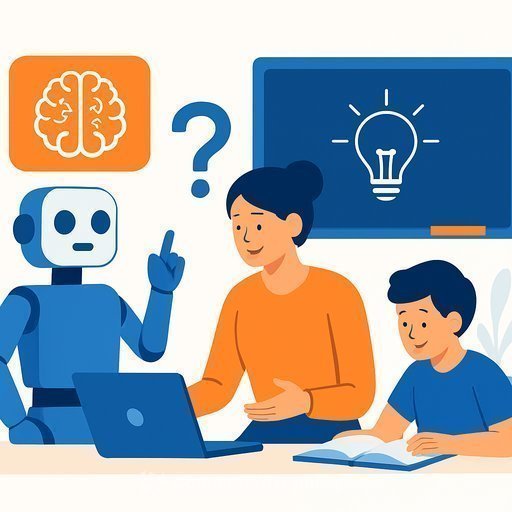
Chen highlights a second-grade teacher who used an AI platform to adapt lessons for bilingual students. The result: more accessible content, quicker feedback, and targeted practice without sidelining teacher judgment.
Her work is backed by University-wide support. Kean offers workshops on AI for teaching and student learning, a bachelor's degree in AI, and interdisciplinary collaboration on an NSF grant proposal to expand research training for teachers and students.
Practical guardrails for PK-3 educators
- Start with purpose: define the learning goal before choosing a tool. If AI doesn't improve feedback, access, or differentiation, skip it.
- Minimize data: use the least amount of student data possible. Turn off tracking features and avoid uploading identifiable content.
- Review policies: examine vendor privacy terms and retention periods. Prefer tools with clear consent workflows and audit logs.
- Keep a human in the loop: verify outputs for accuracy, bias, and developmental fit. Model fact-checking with your class.
- Teach safe use: practice age-appropriate prompts, discuss what not to share, and set boundaries for time and topics.
- Document and communicate: share tool lists, purposes, and data practices with families; offer opt-in or alternatives when feasible.
Building capacity
Chen's goal is to help teachers and parents integrate AI safely and responsibly. "Early childhood education is where everything starts," she said. "Children are encountering AI as early as preschool. Educators need the proper training and tools to use it responsibly and help children build AI literacy from the very beginning."
If your district is planning professional learning on AI, consider structured pathways that connect classroom goals with tool choice, privacy, and assessment. For curated options by role, see AI courses by job.
The bottom line
AI can extend good teaching, but it must protect children first. Chen's research offers a clear signal to schools: pair innovation with ethics, build AI literacy early, and keep educators firmly in control of the learning process.
Your membership also unlocks: