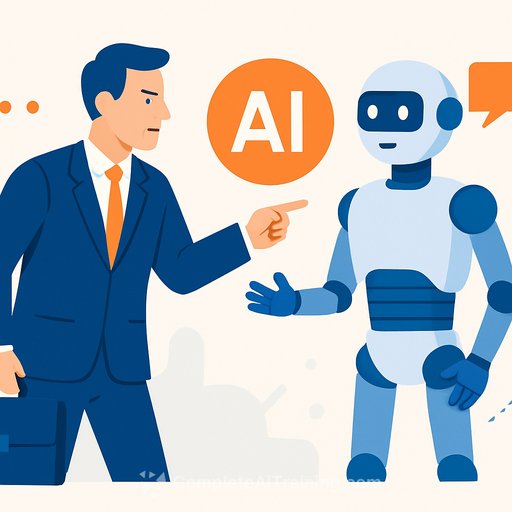
PwC Boss Warns Staff: Resist AI and You'll Be Replaced
Paul Griggs, US chief of PwC, told the Financial Times that senior staff who do not become "paranoid about being AI-first" will likely be replaced. Any employee who thinks they can opt out of AI adoption will be dismissed, he said.
The warning reflects PwC's broader push into artificial intelligence. The firm is launching PwC One, an AI platform offering six automated services to clients, including tools to detect flaws in sustainability data. Last year, PwC cut 5,600 staff and plans to hire more data specialists.
The Compliance Problem
Griggs' ultimatum approach has drawn criticism from HR and organizational experts. Cris Beswick, a strategic adviser, said the warning will backfire: "Ultimatums don't build capability, they build compliance. Fear will only get people pretending to use AI, not people who know how to and embrace all it has to offer."
When AI adoption becomes a condition of employment, results can be counterintuitive and unlikely to deliver tangible gains, according to Neal Riley, AI innovation lead at digital transformation consultancy The Adaptavist Group. Leadership, training, and culture-not mandates-determine whether AI adoption succeeds, he said.
The Human Element
Amrit Sandhar, CEO of HR consultancy &Evolve, argued that PwC's clients hire the firm for human judgment, not automated solutions. "People don't sign up to PwC for simple business solutions," he said. "They often need someone who will engage with them, who brings their wealth of experience and knowledge in a very human way."
When AI-first culture is forced, organizations lose the ability to judge when and how to use these tools effectively, Sandhar added.
Building AI Fluency
Experts recommend a different approach. Beswick advised HR leaders to build the architecture for innovation before issuing ultimatums. He suggested teaching employees AI fluency-the judgment to select and use different tools appropriately-rather than simply training them on specific platforms.
Zhanna Zhuravleva, resident chief people officer at People and Transformational HR, recommended reframing AI as a resource that frees cognitive capacity. She said HR must become "the gateway into a new Human+AI operating system" by redefining roles, performance standards, and learning pathways.
Riley emphasized that companies with cultures of fear and blame are more likely to see workers view AI negatively. The productive path is positioning AI as a tool that empowers people rather than threatens them, he said.
For more on AI adoption strategy, see AI for Executives & Strategy and AI for Human Resources.
Your membership also unlocks: