BonsAi: Quebec-built AI triage assistant aims to ease pressure on frontline care
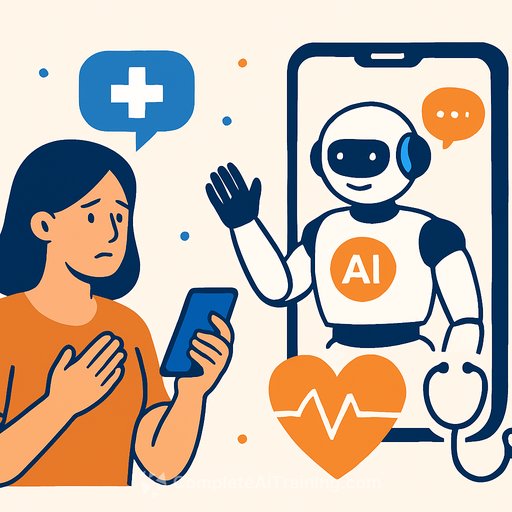
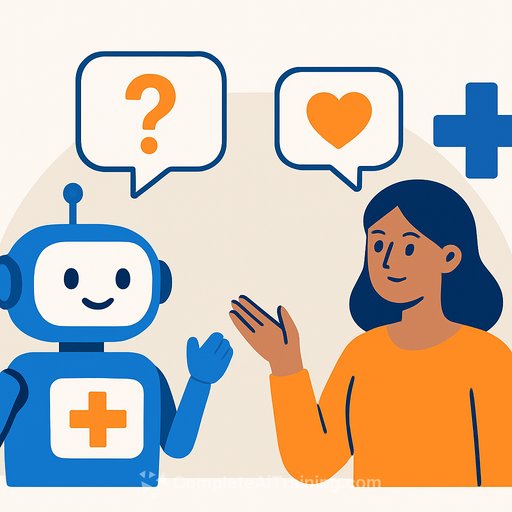
A Quebec-based company, Bonjour-santé, launched BonsAi over the weekend - a conversational assistant grounded in Generative AI and LLM that screens symptoms, flags emergencies, and directs people to the right point of care. The goal is simple: reduce unnecessary emergency visits and free up clinicians for cases that truly need them.
The tool is live on the company's site and was created in Boucherville. According to founder Benoit Brunel, the intent is to steer patients away from generic search tools and toward recommendations grounded in local scope-of-practice rules.
How BonsAi works
- Initial safety screen: The chatbot first checks for red flags to rule out emergencies before continuing.
- Symptom dialogue: It asks follow-up questions, then suggests possible causes and the type of professional to consult (e.g., pharmacist, nurse, physician).
- Consensus approach: Multiple engines run in the background and must agree before BonsAi shows potential causes, which the team says helps reduce inaccurate outputs.
- Local alignment: Recommendations account for Quebec laws-such as when a pharmacist is authorized to assess and treat specific issues-so the next step is actionable.
Brunel says the system was trained using 30 million medical records and hosts data in Montreal at a Canadian data center. That setup is intended to keep user data outside the scope of the U.S. CLOUD Act.
Why this matters for clinicians
Emergency departments see a large share of low-acuity cases that could be handled elsewhere. Brunel estimates roughly 70% of ER visits in Quebec fall into minor or semi-urgent categories. If a portion of those visits shift to pharmacists, nurses, or community clinics, the downstream effect is more capacity for urgent and complex care.
For family medicine, smarter intake means fewer appointments blocked by issues that another professional could address. The founder estimates about 30% of primary care visits could be seen by someone else. If accurate in practice, that gives clinics breathing room and space to panel more patients.
Compliance and guardrails
BonsAi is built for Quebec's regulatory context. That matters for frontline staff who want to act on recommendations without second-guessing whether a referral is permitted. Clear scope alignment also reduces friction at registration and triage desks.
On privacy, data residency in Canada will be important for public trust, especially as patients grow more aware of cross-border access laws. The company also notes there are no formal standards in Canada yet for conversational agents in healthcare. Brunel says he would welcome inspections if the health ministry pursues oversight.
What to watch if your clinic pilots AI triage
- Clinical validation: Run the tool against known cases, compare with existing protocols, and sample edge cases (multi-morbidity, atypical presentations, pediatrics, pregnancy).
- Safety nets: Keep clear escalation paths. If the assistant hesitates or the patient reports worsening symptoms, staff should know the exact next step.
- Workflow fit: Decide where the tool sits-pre-visit on your website, in waiting rooms, or via phone callbacks-and who owns follow-up.
- Equity and access: Plan alternatives for patients without internet access, language support needs, or low digital literacy.
- Documentation: Determine what gets written back to the chart, who reviews it, and how it influences triage notes.
- Privacy and consent: Provide clear disclosures, retention timelines, and an option to opt out. Involve your privacy officer early.
- Quality monitoring: Track misroutes, re-attendance within 72 hours, ER bounce-backs, and patient satisfaction. Review patterns monthly.
Practical impact for different settings
- Emergency departments: Redirect low-acuity complaints upstream to community care, lower left-without-being-seen rates, and smooth peak hours.
- Primary care clinics: Use pre-visit triage to route to the right professional, shorten time-to-appropriate-care, and reduce unnecessary MD visits.
- Pharmacies: Capture eligible cases faster, standardize intake questions, and document advice consistently.
- Nursing services and 811-style lines: Blend scripted protocols with AI prompts while preserving nurse oversight for clinical judgment.
Limitations to keep in view
- No diagnostic authority: Treat outputs as decision support, not diagnosis. Final judgment stays with licensed clinicians.
- Model drift and updates: Periodically re-test after software updates. Re-validate when guidelines change.
- Local nuance: Even within Quebec, services vary by region and capacity. Keep referral directories current.
Global context
Quebec appears to be the first province in Canada adopting this kind of assistant at scale, according to the company. Similar concepts are already in use in countries like Sweden, Singapore, and India, helping patients choose the right entry point to care.
Bottom line for healthcare teams
If BonsAi consistently triages low-risk cases to pharmacists, nurses, or community clinics-and flags red flags early-it can relieve pressure where it's heaviest. The real test is governance: validation, monitoring, and a clean fit with your workflows. For clinicians exploring practical deployments, resources on AI for Healthcare can help frame implementation priorities.
Done well, tools like this don't replace clinical judgment. They clear the path so clinicians can focus on the cases that need it most.
Interested in upskilling your team on practical AI use in care settings? Explore curated options by role at Complete AI Training.
Your membership also unlocks: