
AI news ·
Report warns AI systems widen the racial wealth gap in housing, employment and lending
AI risks widening the racial wealth gap, with median white wealth at $285,000 versus $45,000 for Black households. Experts demand independent audits to stop algorithmic bias.
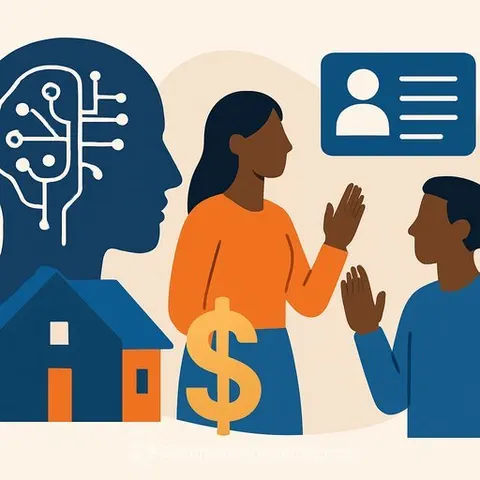
A new report co-authored by legal scholars warns that artificial intelligence systems are producing cascading harms for communities of color across housing, employment, and lending. If left unchecked, these algorithmic decisions risk widening the racial wealth gap faster than current policy interventions can close it.
The scale of algorithmic harm
The report highlights a persistent economic divide known as the racial wealth gap. As of 2022, the median white household held approximately $285,000 in net wealth, compared with roughly $45,000 for the median Black household. The authors argue that AI systems trained on historical data compound this inequality. A single algorithmic denial of credit, for instance, can trigger housing instability or job loss, disproportionately affecting economically vulnerable populations.
Foundational data and discriminatory output
The co-authors include University of the District of Columbia David A. Clarke School of Law Professor Yvette N. A. Pappoe, University of Connecticut Law Professor Nadiyah J. Humber, and doctoral candidate Darlis Pantoja-Benavides. The Leadership Conference on Civil and Human Rights Center for Civil Rights & Technology sponsored the research. "The problem is not inherently AI," said Pappoe. "The more precise problem is that these systems are being trained on data shaped by decades of discrimination, and the people designing, testing, deploying and adopting them are not always recognizing that. If you build on a discriminatory foundation, you get a discriminatory output, and AI technology alone cannot solve that."
Demands for oversight and accountability
Rather than opposing AI adoption, the report outlines specific regulatory frameworks to mitigate harm. Recommendations include mandating greater transparency in algorithmic decision-making and requiring independent audits of AI systems used in lending and housing. The authors also call for stronger worker protections and meaningful opportunities for marginalized communities to participate in oversight. These policy interventions reflect a growing demand for structured AI for Legal compliance and civil rights accountability in both public and private sectors.
Why this matters for legal professionals
Legal practitioners must anticipate increased scrutiny of algorithmic decision-making in employment, housing, and lending. Firms advising corporate clients on technology deployment should prepare to evaluate data training sets for historical bias rather than relying solely on vendor assurances. The report signals a shift toward mandatory independent audits and transparency requirements, meaning compliance frameworks will need to evolve from theoretical guidelines to enforceable operational standards.