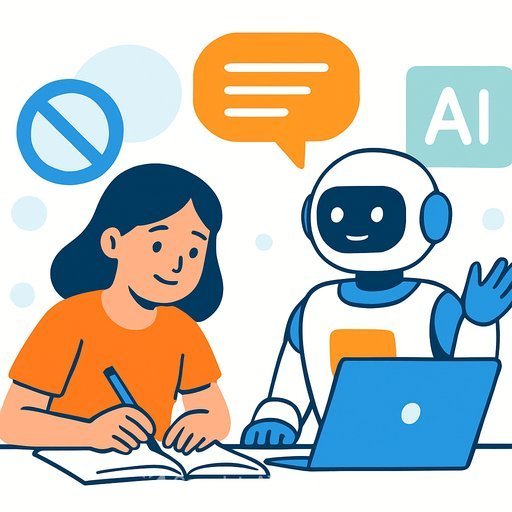
Richmond approves Grade 11 AI literacy course, encourages district-wide adoption
A new Grade 11 elective, Digital Literacy for an AI Enabled World, has been approved by the Richmond Board of Education for the 2026/2027 school year. Created by teachers Tom Morley and Chris Loat, the course teaches students how to use AI effectively and ethically, with a focus on real-world application and accountability.
The course grew out of student demand. District staff noted the aim is clear: help students use AI responsibly and think critically about outputs, sources, and privacy.
What the course covers
Built as a Board/Authority Authorized (BAA) course, it targets core AI literacy: practical use, fact-checking, and data/privacy safeguards. During board discussion, staff emphasized the curriculum was designed to address misinformation risks and online privacy concerns directly.
Trustee Debbie Tabloney acknowledged public concern about "sinister activities," while reminding the board that AI is already changing digital work. Trustee David Yang called the course a "good complement" to current offerings, noting the need to ensure ethical use.
Why it matters for educators
"The thing is not just our kids need to learn this, we need to learn this," said Trustee Heather Larson. She highlighted the upside: students get structured practice with critical thinking, and teachers gain a framework that reduces guesswork and risk in classrooms.
Trustees also applauded the effort required to develop the course. "To even put together the actual course is a lot of work on top of what they already do," said Trustee Donna Sargent, recognizing the leadership of Morley and Loat and the initiative from Palmer Secondary.
How other schools can implement
The course has been run in a semester-based model, but district staff confirmed it can be adapted to linear schedules with minor adjustments. Any interested teacher in the district can bring it forward.
- Identify a lead teacher or small team willing to pilot and share artifacts.
- Map existing digital citizenship and assessment practices to the course outcomes.
- Build routines for fact-checking, citation, and human oversight of AI outputs.
- Set clear privacy protocols for accounts, data handling, and tool selection.
- Communicate with parents early about goals, safeguards, and student expectations.
Governance and timeline
As a BAA course, this offering was developed locally to meet district needs rather than by the provincial authority. For context on BAA courses, see the B.C. Ministry of Education and Child Care overview here.
Trustee Heather Larson recommended approval at the Nov. 19 board meeting, and the board voted unanimously to move forward. The course is cleared for district-wide implementation in the 2026/2027 school year.
What to do next
If you lead curriculum or professional learning, this is a practical moment to formalize AI literacy across grades. Start by identifying campuses interested in piloting, then standardize shared rubrics for ethical use, source evaluation, and privacy practices.
If you're building staff capacity, explore curated training paths that keep teachers current on tools, guardrails, and classroom use cases. One option is Complete AI Training's newest AI courses for quick upskilling and workshop ideas.
Key takeaway
Richmond's Digital Literacy for an AI Enabled World gives educators a clear, teachable path for AI literacy-grounded in ethics, safety, and critical thinking. With board approval and flexibility across schedules, schools now have a ready framework to prepare students-and staff-for AI's day-to-day use in learning and work.
Your membership also unlocks: