AI Agents Will Shrink Product Teams, Says Roblox Product Lead
Peter Yang, Product Lead at Roblox, believes AI agents will fundamentally reshape how product teams operate. In a recent interview, Yang predicted that companies will maintain smaller core teams while delegating routine work to AI systems.
Yang has shipped products at scale-first at Credit Karma, a fintech company, and now at Roblox, where he works with a platform serving millions of users. His view on AI agents comes from hands-on experience building products people actually use.
The Agent Stack Is Taking Shape
Yang said the entire AI agent infrastructure is emerging across multiple domains: identity, payments, marketing, and command-line protocols. These agents are becoming sophisticated enough to handle complex tasks and interact with users naturally.
"The whole agent stack is emerging," Yang said. "It's a whole new world."
Smaller Teams, More Capability
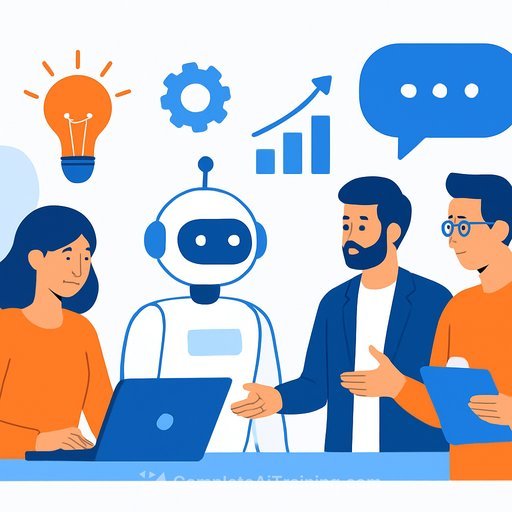
The shift toward AI agents could fundamentally change team structure. Yang expects founders to keep organizations lean by replacing large teams with small groups of skilled people supported by agents.
"Instead of having a 10-person product team, you have a two or three-person prod team and a bunch of agents to help you," Yang said.
This model could increase iteration speed and reduce overhead. It also opens doors for individuals priced out of traditional employment to start their own ventures.
How Yang Uses Agents Today
Yang names his primary agent "Zoe" and interacts with it primarily through voice rather than text prompts. He uses the agent for drafting documents, writing website copy, and brainstorming.
He emphasized that builders should think of agents as relationships, not just tools. That personal connection shapes how people work with them.
Yang also cautioned against blind trust. He shared an example of an agent generating incorrect information, underscoring that human verification remains essential.
What Product Leaders Should Watch
As agents mature, their effectiveness will depend on understanding context, learning from feedback, and fitting into existing workflows. Teams that experiment with agents now will gain advantages as the technology matures.
Product developers should start exploring how AI agents fit their specific workflows-not as a replacement for judgment, but as a tool that amplifies what small, focused teams can accomplish.
Your membership also unlocks: