New AI Startup Gives Robots Virtual Heart Rate and Sweating Responses to Emulate Human Emotions
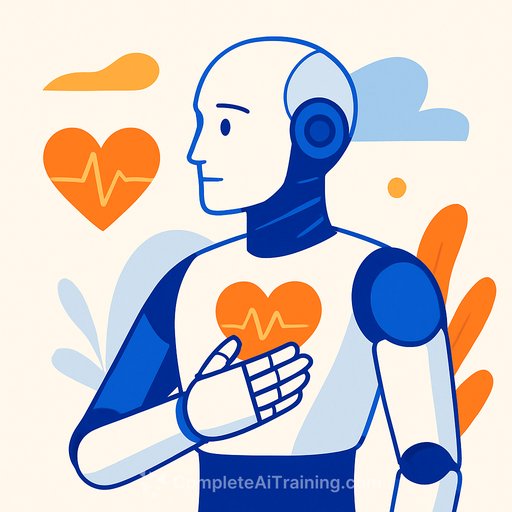
A 19-year-old entrepreneur is developing technology to equip robots with simulated bodily functions such as a virtual heart rate, body temperature, and sweating responses. The goal is to help these machines better mimic human emotional states like fear, anxiety, and joy.
Teddy Warner, founder of the startup Intempus, explained in an interview with TechCrunch that current AI models lack the physiological feedback humans experience. This missing element, he says, limits robots’ ability to make decisions and respond in ways that feel natural to people.
The Missing Link in AI Decision-Making
Warner describes how existing robots operate by moving directly from observation to action. Humans, and all living beings, have an intermediate step: a physiological state. This includes changes in heart rate, sweating, and other bodily signals tied to emotions like stress or excitement.
“Robots don’t have physiological state. They don’t have fun, they don’t have stress,” Warner said. He believes that by integrating this "B step," robots can communicate more naturally and predictably with humans.
From Polygraphs to Emotional AI
To develop this concept, Warner and his team collected sweat data by connecting themselves to polygraph machines. This data helped them build an AI model that can simulate an emotional composition based on physiological responses.
While the idea of robots trained on lie detector data might sound unusual, it aims to create machines that can reflect human-like emotions realistically. Warner recently received a Thiel Fellowship, a program that supports young entrepreneurs, to advance this work.
Building Emotional Robots for Real-World Interaction
Since September, Intempus has developed its research platform and signed partnerships with seven organizations. The company is currently hiring and running tests to showcase how these retrofitted robots express emotions in front of customers.
Warner envisions a future where people can immediately recognize a robot’s emotional state. “If I can innately convey some emotion, some intents that the robot holds, then I’ve done my job properly,” he told TechCrunch.
This approach could lead to more intuitive human-robot interactions, making AI companions or assistants feel less mechanical and more relatable.
For those interested in learning more about AI and related technologies, explore courses and training available at Complete AI Training.
Your membership also unlocks: