How AI Will Change Work for Managers in 2026
AI moved from sandbox projects to real workflows in 2025. The upside is real, but so are the growing pains. A recent study found 91% of data leaders point to culture and change management as the top blockers to becoming data-driven. Only 9% cited tech itself.
That gap tells you what matters in 2026: clear ownership, strong communication, and managers who can supervise both humans and AI. Senior IT leaders can find governance and strategy resources such as the AI Learning Path for CIOs (Chief Information Officers). Here's what to expect-and how to lead through it.
What managers expect from AI next year
Managers see quick wins on the horizon. In a recent survey, 55% expect easier scheduling within a year, 50% expect fewer admin tasks, and 49% expect better onboarding.
"For many managers, AI offers a way to cut through the day-to-day noise and focus on what drives performance," said Traci Chernoff of Legion Technologies. Used well, AI can adjust staffing in real time, automate updates, and inform smarter scheduling decisions.
Where AI actually saves time
The most valuable use case right now is stripping out routine processing. "On my team, AI manages initial content reviews, competitive monitoring, performance data synthesis, and meeting preparation," said Danielle Spires, VP and head of digital at Asana.
She previously spent 4-5 hours weekly consolidating status updates. Now an AI agent collects updates, flags blockers, and drafts talking points-freeing time for coaching and strategy.
Better team experiences, less busywork
Employees trust their direct manager for company news, which creates pressure to keep everyone informed. "Too often, managers are consumed by relaying updates or chasing acknowledgments instead of leading," said Sabra Sciolaro, chief people officer at Firstup.
She expects AI to automate routine messages and follow-ups. "When organizations use data to confirm employees have received and understood updates, managers are freed to focus on coaching, problem-solving, and higher-value conversations," she said.
You'll manage the AI, too
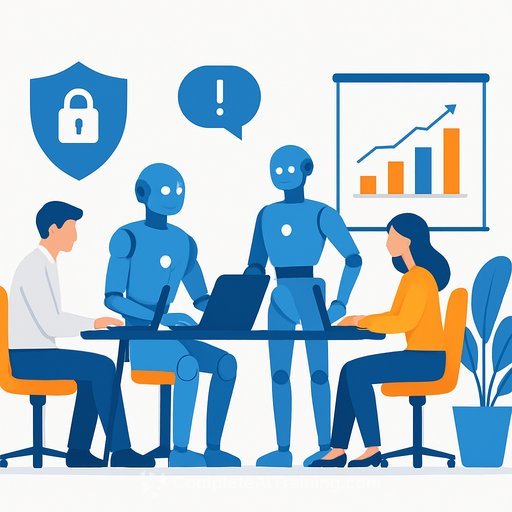
By 2026, AI will take notes, track performance, schedule, and draft first-pass reports and forecasts. That shifts your attention toward validation and direction-setting.
"This will allow managers to focus on more strategic activities, but it will also introduce more responsibility, as they will have to supervise AI performances, validate output, and ensure it is in the organization's best interest," said Baruch Labunski of Rank Secure. Expect AI to be embedded in HR systems, project tools, CRMs, and dashboards. You'll act on insights, lead process changes, and juggle both functions and people.
The 2026 manager playbook
- Set the intent: Use AI to reduce friction, not replace people. Be transparent about where it's used and why.
- Define roles: Document what AI handles (prep, drafts, alerts) and what humans own (decisions, exceptions, accountability).
- Pilot on yourself first: Test tools on your own tasks to find gaps and build credibility before rolling out to the team.
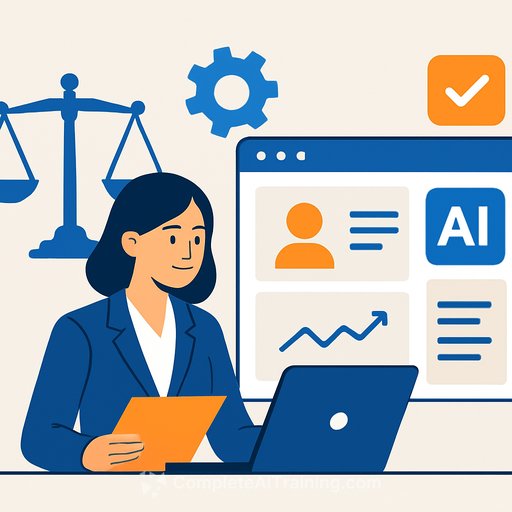
- Raise the quality bar: Create review loops, check for bias and compliance, and set "ship" criteria for AI drafts.
- Tighten data hygiene: Lock down access, scrub sources, and label authoritative systems of record.
- Measure outcomes: Track time saved, error rates, cycle times, and employee sentiment. Ignore vanity metrics.
- Upgrade scheduling: Let AI propose staffing moves, but keep human guardrails for edge cases and fairness.
- Automate communication: Use read receipts and comprehension checks so updates land-and managers stop chasing confirmations.
- Set escalation rules: Make it clear when humans must review or override AI (risk, compliance, customer impact, talent decisions).
- Upskill the team: Train for prompt clarity, data literacy, and judgment. Reward people who improve workflows, not just output volume.
"AI could be used to automate repetitive tasks and complete preparation work to recognize patterns, but keep the decision to automate task outcomes to people," Labunski said. Spend time upfront to set boundaries so AI increases the value of work instead of adding extra complexity.
More responsibility now, more relief over time
Asana has deployed over 15 purpose-built AI agents across marketing and plans to expand in 2026. "For our managers, the focus is moving from encouraging AI adoption to redesigning workflows with AI as an integral part," Spires said.
That means redefining job scopes, updating quality standards, and identifying which human skills matter more. The workload shifts: less processing, more judgment, context, and coaching.
As companies deepen AI use in 2026, they'll apply it to operational work like distributing information, tracking understanding, and removing redundant tasks. Managers move from message relays to leaders who set context and make decisions.
Next steps
- Adopt a simple governance model using established guidance like the NIST AI Risk Management Framework for guardrails and process discipline. NIST AI RMF
- Build your team's AI skill path by role so adoption sticks. See practical options here: AI Learning Path for Project Managers
Your membership also unlocks: