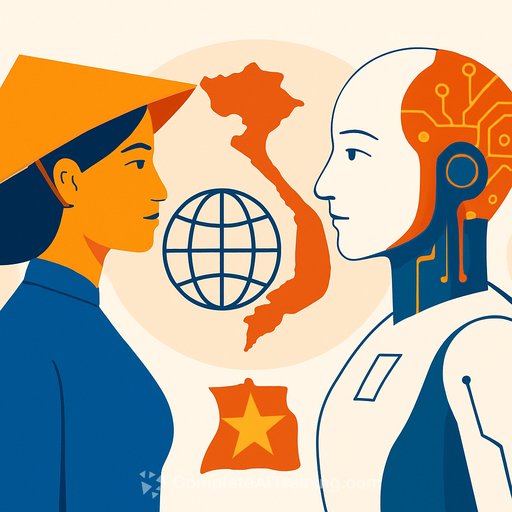
Autonomy and Identity in AI Development: A Focus on Vietnam
Vietnam is positioning itself to become a key player in artificial intelligence on both a regional and global scale. Yet, maintaining national control over AI development remains essential. Unlike global leaders such as the US, China, and Europe, which each follow their own AI strategies, Vietnam faces unique challenges and opportunities in shaping an AI ecosystem that reflects its language, culture, and interests.
Investing in National AI Competence
Leaders in Vietnam show strong consensus on the importance of AI, a factor that directly influences the speed and extent of AI adoption. The country’s culture of experimentation and rapid growth supports the implementation of significant technological initiatives, including AI.
Global AI markets are dominated by major tech companies: Microsoft, OpenAI, and Anthropic in the US; Mistral in Europe; and Alibaba, Tencent, and DeepSeek in China. While Vietnam could adopt AI models from these players, these options may not suit its specific needs. Developing AI models trained on Vietnamese language data is critical to building systems that truly understand local context and culture.
The Language Challenge
Vietnamese data currently makes up only a tiny fraction of datasets used to train standard AI models. This lack leads to AI outputs that often feel unnatural and fail to capture cultural nuances. Without dedicated efforts to support Vietnamese language AI, foreign English-centric models will dominate, limiting the effectiveness of AI applications tailored for Vietnam.
Preserving Independence While Encouraging Innovation
Dependence on foreign AI providers can lead to what some experts call “technological colonization.” When a country relies heavily on external companies for AI systems, it risks losing control over critical infrastructure, data, and technology. Even minor changes in foreign-controlled systems can impact national security and sovereignty.
Vietnam must strategically determine which sectors require full autonomy — especially national security, defense, police, healthcare, and education — and which areas can benefit from foreign collaboration. Where partnerships exist, the focus should be on acquiring and transferring technology rather than creating dependence.
Currently, many Vietnamese enterprises rely on foreign cloud services like Amazon Web Services or Google Cloud. Without clear government policies and investment in domestic infrastructure, this pattern will continue. Establishing data centers and AI infrastructure within Vietnam with strict data governance is vital.
Building a “Uniquely Vietnamese” AI
Developing AI that is authentically Vietnamese involves three key aspects:
- Training on Vietnamese Data: AI models must be developed using local data to understand language, idioms, and communication styles specific to Vietnamese users.
- Aligning with Cultural Identity: AI should promote and preserve Vietnam’s cultural heritage, generating content that respects local traditions and history rather than copying foreign influences.
- Ensuring Technological Autonomy: Owning core AI technologies reduces reliance on foreign platforms, protects data sovereignty, and boosts competitiveness internationally.
Vietnam’s approach to AI is not just about technology but also about protecting national identity and interests in a rapidly changing digital landscape.
Opportunities for Collaboration and Growth
Global recognition of the need to diversify technology supply chains opens doors for Vietnam to collaborate with international partners while building autonomous AI infrastructure. This environment presents a chance for Vietnam to position itself as a capable and independent AI developer.
For IT professionals and developers working in Vietnam or with Vietnamese markets, focusing on language-specific AI development and data sovereignty will be key to creating effective and sustainable AI solutions.
To deepen your expertise in AI and stay updated on the latest developments, consider exploring courses tailored for various AI skills and roles at Complete AI Training.
Your membership also unlocks: