How AI Is Preventing Collisions, Driving Productivity, and Transforming Physical Operations
Running physical operations has never been this complex. Costs are up, regulations are tighter, and risk sits in every gap your systems don't catch. Roads are more dangerous, collision-related costs are climbing, and disconnected tools keep teams reactive instead of proactive. Without real-time visibility into driver behavior and road conditions, preventable incidents slip through and productivity stalls under premiums, paperwork, and delays.
Seventy percent of organizations now cite worker safety as a top concern. In the UK, the pressure is heavier: rising fuel and insurance costs, a 200,000 HGV driver shortage, and nearly 130,000 incidents in 2024 signal an urgent need for smarter, safer operations. This isn't a "nice to have" problem. It's an operations risk with real cost.
Why Accurate AI Matters
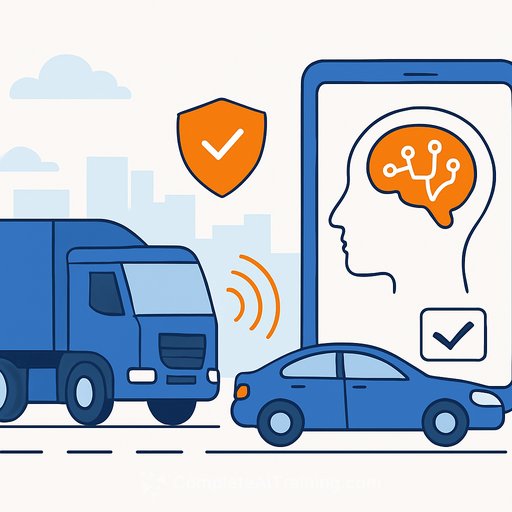
Accuracy isn't a tech metric here-it's a safety standard. Advanced systems can detect risky behaviors like mobile phone use, close following, and fatigue, then trigger real-time alerts that help prevent collisions before they happen. If the AI misses key signals or throws false positives, people get hurt and trust evaporates. The best systems are trained on billions of real-world miles and refined with human-in-the-loop review so decisions improve continuously.
From long-haul motorways to dense city streets and extreme weather, highly accurate AI gives timely, context-aware insights. That means fewer blind spots, clearer decisions, and safer outcomes. You don't need more dashboards. You need precise signal in the moments that matter.
Close the Coaching Gap at Scale
Driver coaching works, but it's hard to scale. Safety managers can be responsible for hundreds of drivers, which makes timely, consistent feedback almost impossible. It often takes two weeks to follow up on an unsafe event, and each session can take 30 minutes to plan, review, and deliver. In that gap, risky behavior repeats.
AI-generated coaching changes that. It provides fast, consistent, personalized guidance to every driver while reducing manual workload. With driver, vehicle, and safety data unified, teams coach smarter, recognize positive behavior, and build a culture of trust. The same data helps exonerate drivers from false claims and rewards safe performance, improving fairness, morale, and retention in a people-first profession.
Automation Is the Lever for Smarter Operations
Many teams still run onboarding, training, and performance management on spreadsheets and outdated systems. Data silos create compliance gaps, missed deadlines, and downtime. Nearly 70% of workers spend more than 20 hours a week chasing information across disconnected tools instead of doing the work that moves the business.
AI fixes that by automating manual workflows and surfacing the right information in real time. Think: automatic issue detection, assigning unidentified trips, and optimizing routes through passenger flow analysis. Teams move from data to decision faster, cutting risk while improving productivity and overall efficiency. Less clicking, more operating.
What to Implement This Quarter
- Audit high-impact safety use cases: phone distraction, close following, fatigue, harsh braking, and speeding. Prioritize what causes collisions and claims.
- Select high-accuracy, human-reviewed AI: choose systems trained on large, real-world datasets and supported by expert review to reduce false positives.
- Standardize AI-driven coaching: auto-generate sessions, deliver in-app guidance, and keep audit-ready records to meet regulatory requirements.
- Unify data: integrate telematics, cameras, HR, LMS, and maintenance systems so safety, compliance, and performance are managed in one flow.
- Automate admin: onboarding checklists, certification renewals, incident documentation, and trip reconciliation-remove the busywork.
- Instrument the ROI: track collision rate, near-miss rate, coaching time per driver, exoneration rate, claim cycle time, and uptime.
- Build driver trust: be transparent about what's detected, how data is used, and how safe behavior is recognized and rewarded.
What "Good" Looks Like
Real-time detection that alerts drivers before risk escalates. Coaching that happens within hours, not weeks. Unified data that reveals patterns early-both unsafe behavior and equipment concerns-so you can intervene before issues become incidents. Automated workflows that keep compliance on schedule and teams focused on the work that matters.
The result: fewer collisions, fewer disputes, faster claim resolution, and a healthier fleet. Safer operations feed productivity. Productivity funds safety. That flywheel is what you want.
UK Operations: Extra Pressure, Clear Actions
With HGV driver shortages and higher operating costs, the UK needs systems that reduce incidents and protect drivers on every shift. Accurate AI helps spot risks earlier, exonerate drivers quickly, and keep fleets available. For context on national safety trends, review official data from the Department for Transport's road safety statistics.
AI-Powered Physical Operations Is the Future
The path forward is clear: combine human expertise with accurate AI. Detect risks early, coach consistently, automate repetitive tasks, and keep your data unified. That's how you stay ahead of collisions, inefficiencies, and blind spots across the fleet.
If your team is upskilling for these workflows, explore practical training built for operators and managers: AI courses by job and automation resources.
Evaluating tech? Put GPS fleet tracking and AI video safety at the top of the list, and make accuracy your non-negotiable.
Your membership also unlocks: