Cairo Book Fair Puts AI Fiction Under the Microscope
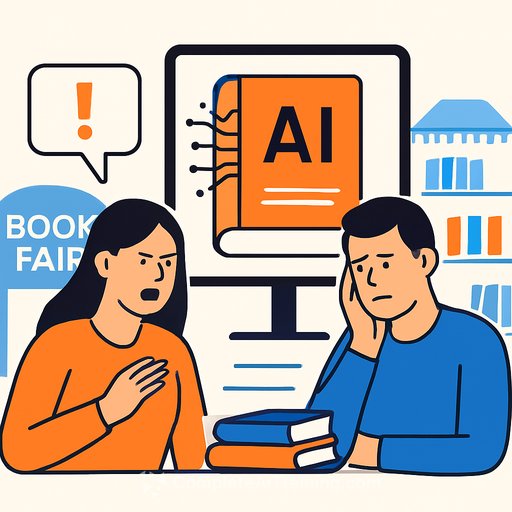
At the 2026 Cairo International Book Fair, AI-generated novels hit the stands and set off a storm. Writers and readers called the unchecked releases a scandal, pointing to passages that read like raw machine output-errors, incoherence and copy-and-paste phrasing included.
The core question echoed across social feeds and fair aisles: can the human touch survive in automated writing? The answer depends on what we choose to publish-and how seriously we treat editorial standards when AI enters the draft.
What sparked the backlash
Several novels appeared to be released without real author review. One widely shared excerpt showed a section left unedited, fueling doubts about integrity and process.
The result: readers lost trust, and writers paid the price. Not because AI exists, but because basic safeguards were skipped.
Voices from the floor
Renowned writer Shamma Ahmad warned that AI-assisted workflows have tempted some publishers to sideline proofreading and editorial review. "This trend risks producing printed books reliant on copy-and-paste output without any real verification," she said.
She added that some editors are leaning on the same tools to do their checks, letting mistakes slip through. Her stance is clear: AI can speed up drafting, but it can't deliver metaphor, cultural context or lived experience with any consistency.
The legal line publishers can't cross
Mohamed Rashad, President of the Arab Publishers Association, said AI-authored work showing up at the fair was expected, noting similar projects abroad, including a full AI novel in England in 2022. He saw no inherent threat in AI-assisted cover design; for practical training, editors can consult AI design courses.
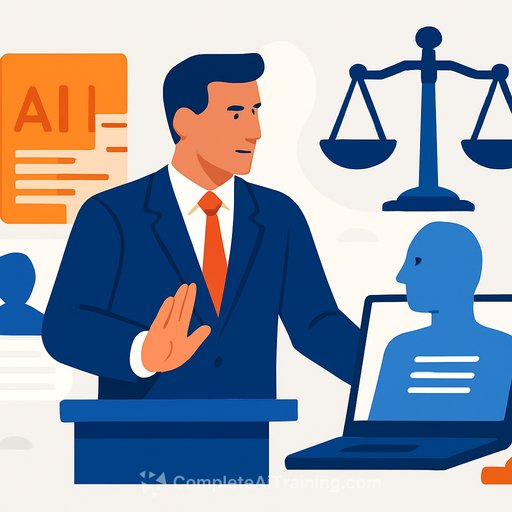
His caution was legal: infringement remains infringement. If an AI system borrows from existing text and that makes its way to print, the publisher owns that risk. For context on global copyright questions around AI, see guidance from the World Intellectual Property Organization.
What this means for working writers
The market doesn't punish AI. It punishes lazy work. If you use models, you need stronger process, not shortcuts.
Your edge is voice, judgment and taste. Use tools for speed, then apply human rigor to make the work yours-and worth reading.
A practical workflow for AI-assisted fiction
- Intent: Define theme, audience and emotional outcome before you generate a word.
- Voice doc: Create a one-page style guide with tone, vocabulary and pacing to keep consistency.
- Outline: Use AI for options, but lock a human-approved outline before drafting scenes.
- Drafting: Generate in small chunks; rewrite every paragraph in your own voice.
- Continuity pass: Track characters, timelines and settings with a scene ledger.
- Line edit: Hunt cliches, vague phrasing and filler; replace with concrete detail.
- Fact and culture check: Verify references; consult sensitivity readers where relevant.
- Originality scan: Run plagiarism checks and compare suspicious lines to sources.
- Human beta reads: Get feedback from at least three readers; iterate based on notes.
- Final proof: A human editor signs off; AI assist is optional, never final.
- Disclosure: If AI meaningfully contributed, state it clearly in the front matter.
- Rights review: Keep prompts, outputs and drafts archived to document authorship decisions.
Publisher safeguards that should be non-negotiable
- Submission policy: Require authors to declare AI use and which parts it touched.
- Editorial gates: No manuscript proceeds without human structural, line and copy edits.
- Originality protocol: Plagiarism checks plus manual review of flagged passages.
- AI disclosure standard: Consistent language across imprints to manage reader expectations.
- Legal check: Confirm training/licensing claims if the text mimics identifiable authors.
- Quality bar: If a page can't move a human editor, it doesn't move to print.
Ethics, emotion and the reader contract
Readers don't buy summaries of events; they buy meaning. That comes from memory, subtext and choices only a person can make.
Use AI to get unstuck or explore options. But the work that lasts is the work only you could have written.
If you're learning the tools
Treat prompt craft and review techniques as part of your writing practice. For structured resources on prompts and workflow, see these prompt engineering resources.
Bottom line
The Cairo debate isn't about banning software. It's about protecting craft, readers and rights.
AI can assist, but it can't care. That's your advantage-if you keep it on the page.
Your membership also unlocks: