
AI news ·
Scindia says credibility is journalism's biggest challenge in age of AI and deepfakes
Deepfakes and AI pose the biggest threat to journalism's credibility, Union Minister Jyotiraditya Scindia said May 31. He offered no specific policy response.
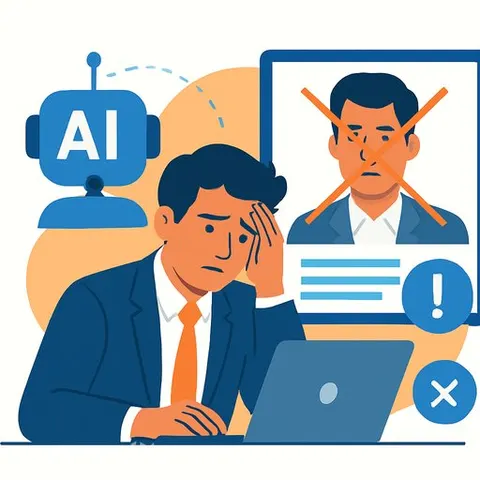
Credibility Crisis Deepens as AI and Deepfakes Threaten Journalism, Scindia Says
Union Minister for Communications Jyotiraditya Scindia identified deepfakes and artificial intelligence as the most pressing threats to journalism's credibility, speaking at an event on May 31.
The minister did not elaborate on specific measures to address the threat, but his comments reflect growing concern among Indian policymakers about synthetic media's potential to undermine public trust in news organizations.
What This Means for Communications Professionals
For PR and communications teams, the challenge is immediate. As deepfake technology becomes more accessible, organizations face pressure to verify content authenticity and rebuild audience trust in an environment where visual and audio evidence can no longer be assumed genuine.
Communications professionals need working knowledge of how these technologies function. Understanding Generative AI and LLM systems helps teams identify manipulated content and develop credible responses when deepfakes target their organizations or executives.
The broader implication: traditional media relations and brand messaging strategies may no longer suffice. Transparency about content sources and verification methods is becoming a competitive advantage.
Historical Context
Scindia also referenced the historical contribution of Gwalior state to Indian journalism, though he provided no specific examples or dates.
Next Steps for Your Organization
- Audit your content verification processes now, before deepfake incidents occur
- Train communications teams on identifying synthetic media
- Develop protocols for responding to deepfake allegations
- Consider AI for PR & Communications training to understand both the risks and opportunities in this space
The credibility crisis Scindia describes is not hypothetical. Organizations that act now to address deepfakes will have clearer messaging and stronger stakeholder relationships than those caught off-guard.