NIST nominee faces pointed questions on AI standards and facial recognition transparency
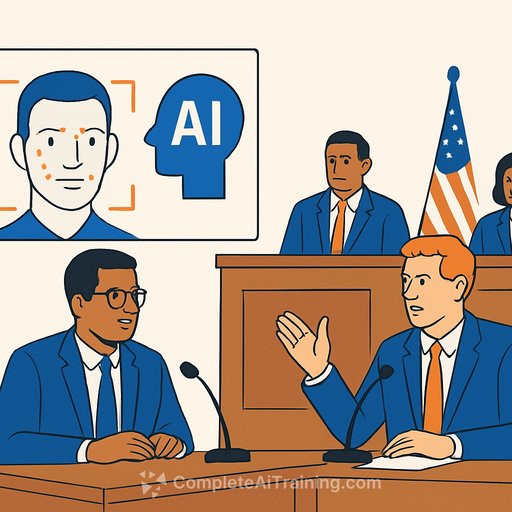
The Senate Commerce Committee weighed the nomination of Arvind Raman to lead the National Institute of Standards and Technology (NIST), putting core questions about AI benchmarks, biometric testing, and public transparency on the table. The hearing made it clear: NIST's technical work now sits at the center of national debates over privacy, civil liberties, and how government buys and uses AI.
Raman, dean of engineering at Purdue and a long-time NIST collaborator, framed himself as a technologist focused on measurement science and standards. He backed the administration's AI agenda and stressed support for U.S. leadership across semiconductors, quantum, biotech, and advanced manufacturing.
Where the hearing pressed hardest
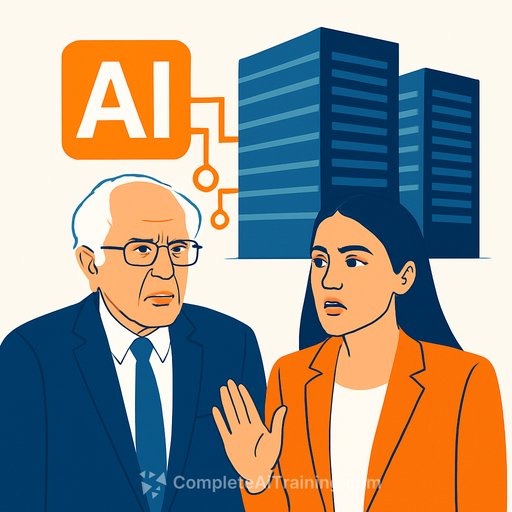
Senator Ed Markey pushed Raman on whether NIST will maintain public access to facial recognition test results. Raman did not commit directly, instead emphasizing NIST's impartial role in evaluating AI through rigorous measurement science. Markey called the response "disappointing," citing ongoing risks from misidentification and bias.
This exchange cut to a core tension: NIST doesn't regulate adoption, but its benchmarks influence what agencies buy and how systems are judged in practice.
NIST's facial recognition role, in brief
For years, NIST has run the most referenced facial recognition evaluations used by agencies and vendors worldwide. Vendors submit algorithms; agencies weigh the results for investigations, screening, and identity verification. The testing spans face matching and broader face analytics such as demographic estimation.
Competing views on NIST's mandate
Chairman Ted Cruz argued NIST should stick to voluntary, technical standards and questioned the breadth of the AI RMF. Ranking Member Maria Cantwell highlighted bipartisan efforts to expand NIST's AI testing and standards work. Raman underscored that U.S. leadership in international standards bodies is essential so global rules reflect democratic values and market-driven innovation.
Why this matters for government, science, and research
AI systems are moving into core government functions. When NIST updates a benchmark or test method, it can sway procurement, oversight, and public trust. That's especially true for facial recognition, where accuracy varies across demographics and deployment contexts.
Raman would oversee programs that inform-though do not dictate-policy choices. Congress is watching closely, and transparency around testing results is likely to remain a flashpoint.
Practical takeaways for agencies and research teams
- Procurement discipline: Require vendors to cite NIST test IDs, versions, and dates. Insist on performance by scenario (lighting, image quality, watchlist size), not headline numbers.
- Bias and error profiles: Ask for demographic performance reports that match your use case. Document acceptable false match/miss rates before pilots begin.
- Operational safeguards: Pair any facial recognition use with human-in-the-loop review, audit logs, and clear escalation procedures for disputed matches.
- Version control: Lock algorithms and configurations for the life of a pilot. Re-test and re-authorize on any model or threshold change.
- Data minimization: Limit retention of probe images and match candidates. Define deletion timelines and access controls up front.
- Public transparency: Publish high-level testing criteria, oversight structures, and complaint channels to reinforce accountability.
- Independent validation: Where feasible, cross-check vendor claims with NIST results and a separate third-party or in-house evaluation on your own data distribution.
What to watch next
- Whether the next NIST director commits to continued public access for facial recognition test results.
- Updates to NIST's AI RMF profiles or testing protocols that affect procurement baselines.
- Congressional action linking federal purchasing or grants to standardized AI testing and reporting.
For policy and implementation guidance across federal and state programs, see AI for Government.
Your membership also unlocks: