Three institutions partner to decode 98% of the human genome using AI
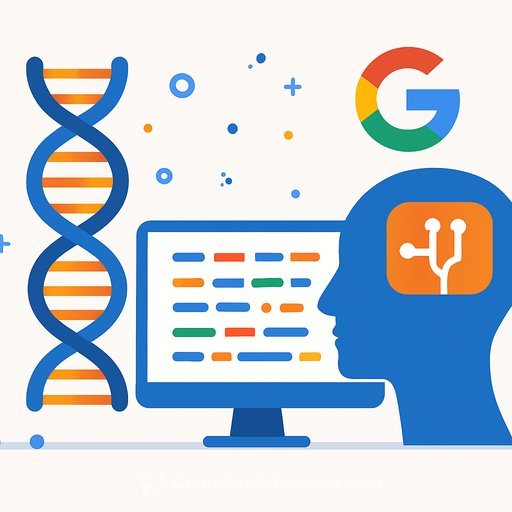
Sheba Medical Center in Israel, the Icahn School of Medicine at Mount Sinai in New York, and NVIDIA announced a three-year collaboration on November 18, 2025, to use artificial intelligence and large language models to analyze the poorly understood portions of human DNA. The project aims to identify genetic patterns and regulatory mechanisms that link DNA variation to disease risk and treatment response.
Only 2% of the human genome has been thoroughly characterized. The remaining 98%-once dismissed as "junk DNA"-contains critical regulatory and functional elements that researchers have struggled to decode.
What the collaboration will do
The three institutions will build an AI-driven research platform to analyze how thousands of genomic regions interact with each other. Mount Sinai and Sheba will contribute genomic datasets, AI research capabilities, and clinical expertise. NVIDIA will provide computational architecture and AI development platforms.
Initial research has already begun, with joint teams laying groundwork for a shared platform. The collaboration will initially focus on areas where genetic complexity has hindered progress, such as disease mechanisms and therapeutic target identification.
Why this matters for researchers
Decoding the "dark matter" of the genome could accelerate personalized medicine. Understanding how genetic variation influences disease risk and drug response would allow clinicians to tailor prevention and treatment strategies to individual patients.
Prof. Gidi Rechavi, head of the Sheba Cancer Research Center and initiator of the project, said the 98% of uncharacterized DNA "is increasingly recognized as containing critical regulatory and functional elements."
Dr. Alexander Charney, director of the Charles Bronfman Institute for Personalized Medicine at Mount Sinai, said the work moves toward "a future where every person can benefit from the power of whole genome sequencing" through precision medicine approaches.
Interested in AI for Science & Research? Explore how AI is being applied across scientific disciplines, or check out AI Research Courses to deepen your technical foundation.
Your membership also unlocks: