Conversational Search and AI Overviews: The 2026 Playbook for Marketers
"Conversational search and AI overviews are transforming how brands strategize online visibility, requiring essential guidance from digital marketing experts. 2026 demands conversational and AI search rankings strategies to ensure brands appear wherever audiences search online." - GoodFirms
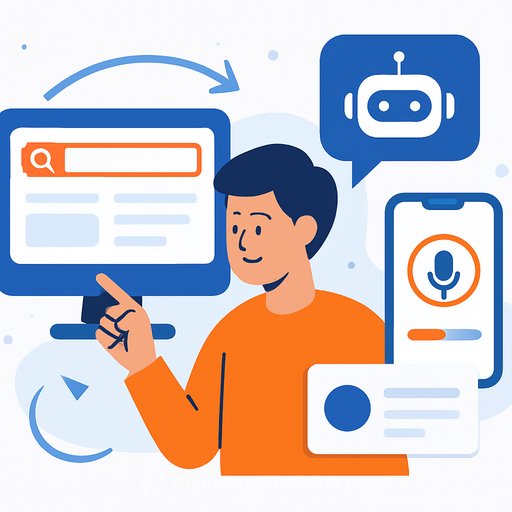
Search no longer ends at ten blue links. Assistants on web, chat, and voice now deliver direct answers, summaries, and sources. If your brand isn't built to be cited, summarized, and surfaced, you're invisible where decisions are made.
The opportunity is simple: optimize content for questions, structure your data, and make your expertise easy for AI systems to extract. The teams doing this well are already seeing higher visibility, sustained traffic, and stronger engagement across channels.
What's Changed (And Why It Matters)
- AI overviews and assistant responses compress research into one screen. Your brand needs to be part of that answer.
- Natural language queries are longer and more specific. Intent clarity beats broad, generic topics.
- Citation-worthy content and clean structure improve your odds of being referenced in summaries.
Core Strategy: Be Answer-Ready
- Map questions end-to-end: who, what, why, how, pros/cons, costs, comparisons, implementation, troubleshooting.
- Create answer-first pages with tight intros (35-60 words) that can be quoted cleanly in assistants.
- Target long-tail, question-based keywords and cluster by intent (informational, commercial, transactional).
- Publish FAQ sections and standalone Q&A pages. Use concise, scannable answers.
- Win featured snippets with definition boxes, step lists, and comparison tables summarized in text.
- Add schema markup (FAQPage, QAPage, HowTo, Product, Organization) to help machines parse your content.
- Use plain language, strong headings, and semantic coverage of related entities and attributes.
- Back claims with cited sources and include clear author/org credentials to reinforce credibility.
Technical Foundations That Improve Citations
- Structured data: implement and validate. Start here: Google Search Central: Structured Data.
- Consistent entity data: align your brand details (name, logo, social, sameAs) across the site and profiles.
- Clean information architecture: one topic per URL, logical clusters, strong internal linking.
- Fast pages and stable markup: assistants favor content that loads quickly and parses cleanly.
- Use schema.org types where relevant: schema.org.
Content System: From Research to Results
- Collect questions from autocomplete, People Also Ask, support tickets, sales calls, forums, and competitor gaps. See curated Research resources for deeper topic discovery.
- Cluster by intent and funnel stage. Prioritize pages that answer multiple related questions in one hub.
- Draft answer boxes first, then expand into context, steps, examples, visuals, and sources.
- Add FAQ blocks to every key page. Mark them up and interlink related answers.
- Create comparison pages ("X vs Y") and implementation guides that assistants love to summarize.
- Refresh quarterly based on new queries, lost snippets, and emerging product features.
Optimization Tactics That Work in 2026
- Lead with definitions and TL;DR sections to earn snippets and summary quotes.
- Use consistent formats:
- What is [Topic]? Short definition + 3-5 key points
- How to [Task]: Step list with outcomes
- [X] vs [Y]: Use-case driven comparison + recommendation
- Include data, pricing ranges, and decision criteria. Assistants favor concrete details.
- Add "related questions" at the bottom of pages to extend coverage and internal linking.
- Publish transcripts or summaries of expert interviews and webinars with clear takeaways.
Measurement: Prove It's Working
- Track share of voice on question queries: impressions, clicks, and average position.
- Monitor featured snippet wins/losses across priority clusters.
- Log assistant visibility: manual and programmatic checks for brand mentions/citations in AI summaries.
- Watch engagement on Q&A and comparison pages: time on page, scroll depth, CTA clicks.
- Attribute assisted conversions from content that addresses purchase decision questions.
Team and Process Alignment
- SEO, content, and product marketing meet weekly to prioritize question clusters tied to revenue.
- Standardize content briefs to include target questions, snippet angle, schema type, and internal links.
- QA includes structured data validation and a quick "assistant-readiness" check (would this be cited?).
Working With Specialists
Many brands partner with agencies that are fluent in conversational SEO and AI ranking strategies. The right teams bring entity modeling, schema depth, and answer-first content systems that scale across products and regions.
Directories featuring rated and reviewed digital marketing companies can help you find vetted partners with proven results in these areas.
30-Day Action Plan
- Week 1: Build your question inventory and cluster by intent. Pick three high-impact clusters.
- Week 2: Ship one answer-first hub page and two supporting FAQs. Add schema and internal links.
- Week 3: Create a comparison page and a how-to guide with steps and outcomes.
- Week 4: Validate structured data, test assistant visibility, and set up your tracking dashboard.
Level Up Your Team
If your marketing org needs a fast upgrade on AI search and assistant-ready content, explore focused learning paths and certifications built for marketers and leaders.
Bottom Line
Assistants are the new front door to discovery. Build content that answers clearly, structure it so machines can trust it, and your brand shows up wherever people ask questions-web, chat, and voice.
Your membership also unlocks: