AI Can’t Gaslight Me if I Write by Hand
There are slow movements for almost everything: slow food, slow families. Maybe it’s time for slow writing.
I wrote this article in longhand—something I hadn’t done seriously since the mid-1990s, except for the occasional journaling. I wanted to see what it felt like to return to the old methods because I’ve been worried about how technology might be taking over my writing skills.
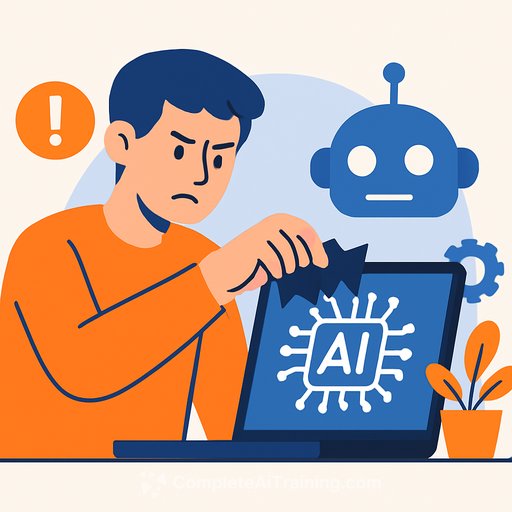
Technology has always changed what we know how to do. Most people today can’t hitch a horse to a wagon or spin yarn anymore. That’s progress. But in the digital age, changes happen so fast and often without our consent. For example, I recently woke up to find Microsoft Copilot, an AI writing assistant, integrated into my Word app. Its icon hovered next to my cursor, offering to do my writing for me. After an hour of trying to remove it, I settled for just turning it off.
I’m increasingly feeling that technology doesn’t free me—it diminishes me. Sure, I appreciate innovations like laparoscopic surgery or a trusty blender. But lately, technology feels like it’s invading my way of thinking, my ability to process information. I wonder if I’m forgetting basic skills: how to add numbers, spell words, find my way in a city I’ve lived in for decades, or even how to truly listen to a film without subtitles.
I’ve resisted these changes to preserve my skills, but it’s getting harder. I feel my intellectual abilities slipping, no matter what I do. Now, technology threatens my most cherished skill: writing.
Writing as a Way of Thinking
Many writers share concerns about AI: copyright issues, job loss, and the dullness of ideas AI cobbles together from existing text. But there’s more. For many, writing isn’t just communication—it’s thinking itself.
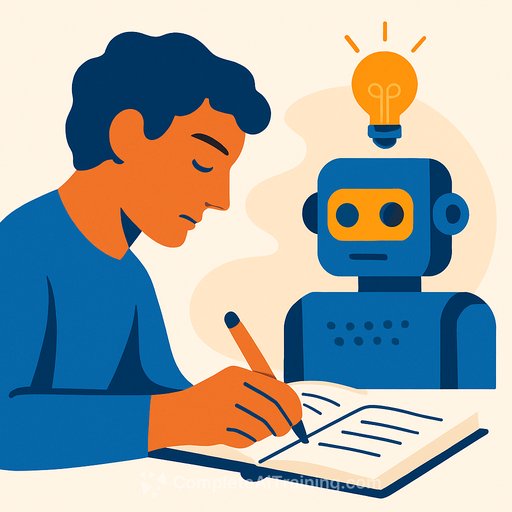
I rarely know where an essay will go before I start. Even with an outline, the connections, metaphors, and imagery emerge as I write. The act of writing physically—forming words on paper—creates space for ideas to flow. It slows my brain down, forcing me to move through thoughts word by word. This slow pace lets new realizations surface. Writing becomes a process of discovery, not just recording pre-formed ideas.
How Technology Changed My Writing
Reflecting on my experience with handwriting made me think about how other tech changes shaped my writing over time. I grew up writing school papers with pencils and pens, then moved to typewriters in sixth grade, and finally embraced word processors in college during the 1980s.
Word processing was a breakthrough—editing became easier, and composing was faster. But I still drafted by hand. It took years before I started composing directly on the computer. Typing and thinking at the same time felt awkward at first, like trying to fly without proper equipment. Eventually, I adjusted and my fingers flew across the keyboard. But I wonder: by speeding up, did I lose something? Did I miss out on deeper insights that come from slower writing?
Returning to Longhand
Writing this essay by hand was painfully slow initially. I craved the clean, neat text on the screen instead of messy, scratched pages. I also hesitated to start, feeling pressure to have all ideas ready before putting pen to paper. Now I see that delay as a benefit—it gave me time to think and enrich my ideas.
That’s why I always sleep on a draft before sending it off or take breaks to solve problems in my writing. Writing is hard. The blank page is the toughest phase because that’s when you engage most deeply with your topic.
AI might seem like a solution, doing the initial draft for you. But if you let an AI write the first draft and then just edit it, you skip the mental engagement that enriches your ideas. You lose the discovery, the learning, and the creation. If AI-written prose dominates the future, how much will we lose of the unique insights and moments of revelation that come from writing ourselves?
AI vs. Human Thought
I asked an AI how word processing changed writing and how technology might diminish a writer’s role. The answers were predictable and generic, touching on speed and accessibility but missing the heart of the matter.
Reading AI responses felt like reading, not thinking. Starting with AI-generated text means the creative process happens outside of you, instantly, skipping the slow work of forming ideas. I spent hours reflecting, remembering my manual typewriter’s clunking keys and the piles of printed pages I used to spread out while organizing thoughts. These memories, and the act of handwriting itself—the curve of letters, the ink soaking in—added depth to my writing. This personal enrichment is the soul of writing and the connection between writer and reader.
Slow Writing as a Practice
There are many slow movements: slow food, slow families. Maybe it’s time for slow writing. Technology asks us to trade skills for time. Often, it’s a fair trade. But holding my handwritten pages felt satisfying in a way digital text can’t match.
Maybe we confuse what to do with extra time. Instead of doing more things faster, perhaps we should do fewer things slower.
For me, the plan is clear: write first drafts on paper. It’s a way to reclaim my humanity and my writing from technology’s grip. It’s a slower process that opens me to discovery and connection—exactly why writing matters.
Your membership also unlocks: