South Korea launches security standards project for physical AI systems
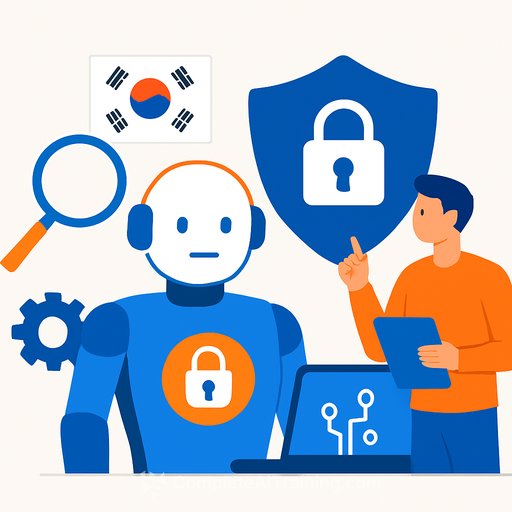
South Korea's internet security agency is developing security standards for artificial intelligence systems that control physical machinery and equipment, responding to growing risks of cyberattacks that could cause real-world damage in factories and other industrial settings.
The Korea Internet & Security Agency, or KISA, opened bidding Monday for contractors to develop the standards and industry-specific security models. The project runs through mid-December.
Unlike traditional cyberattacks that steal or corrupt data, attacks on physical AI systems could trigger equipment failures, halt production lines, or cause other tangible harm. KISA said it aims to create practical security guidelines that companies can apply during product development and operation.
What the project will produce
KISA plans to deliver five industry-specific security standards tailored to manufacturing, healthcare, and mobility sectors, along with practical manuals companies can use across planning, design, and operational stages.
The agency will also develop common security standards for physical AI and review domestic and international regulations related to AI security. It will convene a working group of experts from industry, academia, and research institutes to identify technical and policy requirements.
Why this matters for development teams
Physical AI is expanding across South Korea's industrial base. The security standards will help companies build safer systems while strengthening the global competitiveness of Korean AI products.
For professionals working on AI for IT & Development, understanding these emerging standards will be critical as physical AI systems move into production environments. Those focused on security should review how AI for Cybersecurity Analysts addresses threats specific to physical systems.
Your membership also unlocks: