South Loop: HydraVault's Quiet Pivot Puts Data Center Development Under the Microscope
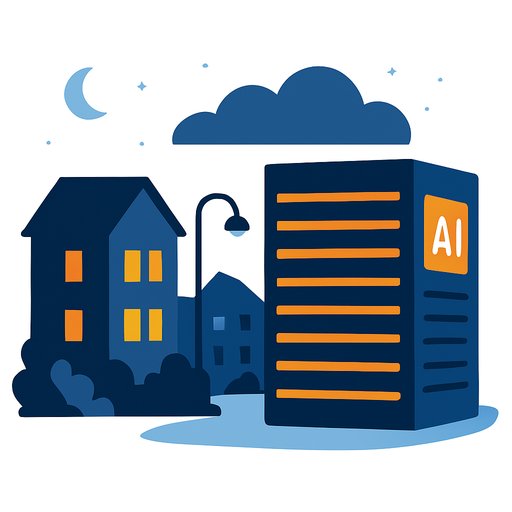
A planned esports arena at South Wabash Avenue and East 25th Street in Chicago's 3rd Ward has pivoted to a small-scale AI data center called "HydraVault." The shift was approved as a "minor change," which skipped public hearings and left some neighbors surprised as construction began.
For developers, owners, and GCs, this project is a case study in how program changes, utility intensity, and community expectations collide. HydraVault has broken ground, and its website says there will be "early user access" in December 2026.
What Changed - And Why It Matters
Local entrepreneur Scott Greenberg originally proposed the "Surge" Esports Arena in 2021. It earned strong support at the time, including from community groups and several aldermen. As the gaming market cooled and clients backed out, the plan shifted to a smaller AI-focused data center near the Motor Row district.
The developer framed the change as minor because the data center would be "substantially smaller" and wouldn't alter the character of the development, according to documents obtained via FOIA. The site will be a two-story facility marketed as "sustainable by design."
Zoning, Process, and Transparency
Chicago's Bureau of Zoning classified the pivot from a public-facing arena to a private high-end computing facility as a "minor change," which meant no Zoning Board of Appeals or Plan Commission hearings. The formal request reportedly included a 2-page letter and a $1,500 fee.
That approval path is legal - and instructive. Program swaps can move faster than communities expect when they fit existing entitlements, even if the operational profile (traffic, utilities, sound, mechanicals) changes significantly. Expect this to draw more scrutiny in future submittals citywide.
Utilities: Water, Power, and Closed-Loop Cooling
HydraVault says it will be "sustainable by design," highlighting "efficient cooling systems and responsible energy strategies." It has described a "closed-loop" cooling system. Closed-loop designs can cut onsite water use but typically increase electricity consumption 20% to 30% due to additional chilling loads, according to University of Chicago computer science professor Andrew Chien.
Large data centers can consume up to five million gallons of water per day, per the Environmental and Energy Study Institute. While HydraVault is smaller than hyperscale sites, the industry's uneven water tracking is a growing flashpoint. The Alliance for the Great Lakes notes fewer than a third of data centers track water use, and warns of indirect water impacts tied to new natural gas generation.
Neighborhood Reaction
Residents in adjacent Kissel Kar Lofts are split. Some worry about blocked views and a lack of proactive communication; others see AI infrastructure as a positive long-term investment for the city. Nearby neighborhood leaders have raised concerns about siting data centers in residential-adjacent areas given high power demand and potential water impacts.
Chien points to possible neighborhood upsides: jobs during construction, and the productive use of vacant land. Still, he argues the industry needs to build community support to sustain operations over time.
Grid, Reliability, and Rates
Data centers present a steady, high load profile that can clash with variable wind and solar. Federal regulators have pushed grid operators to plan accordingly. The Federal Energy Regulatory Commission issued direction to PJM, the region's transmission operator, to protect consumers and keep supply consistent. See FERC for broader context.
Chien notes communities near data centers may see more reliable power because these facilities demand it. Still, the Citizens Utility Board warns electric bills in Chicago could rise by as much as $70 over the next three years due to data center growth and related grid investments.
Incentives and New Rules on the Horizon
HydraVault's site materials indicate clients may qualify for tax exemptions under the Illinois Data Centers Investment program, which requires carbon neutrality after two years of service. At the same time, Gov. J.B. Pritzker has proposed a two-year pause on new data center incentives to protect rate affordability; lawmakers would need to approve the pause.
Separately, the proposed POWER Act ("Protecting Our Water, Energy and Ratepayers") would require data centers to track/report water usage and restrict where they can be located. Environmental advocates frame the bill as a "race to the top" to push best practices across developers.
What We Still Don't Know
HydraVault's PR team declined to answer specific technical questions, including what chemicals (if any) will be used in the cooling loop. Detailed water metrics, final interconnection terms, and the complete MEP profile have not been publicly shared. The company says it will be sustainable; the community wants proof and reporting.
Construction Status and Timeline
HydraVault has started construction. It's planned as a two-story data center with a smaller footprint than the prior arena concept. The website lists "early user access" in December 2026. Expect heavy coordination with utilities, careful mechanical screening, and attention to acoustics as equipment arrives.
Practical Takeaways for Real Estate and Construction Teams
- Validate entitlement flexibility early. A "minor change" can greenlight major program shifts - or draw political heat if outreach lags.
- Right-size utility plans. Model 24/7 loads, peak demand, redundancy, and potential demand response to align with grid constraints.
- Clarify cooling strategy. Closed-loop reduces onsite water but drives higher electrical load; plan capacity, heat rejection, and backup.
- Proactively disclose water and power metrics. Even if not required, voluntary reporting builds trust and can preempt delays.
- Map community impacts. Address views, sound, traffic, and construction staging; offer design mitigations and firm timelines.
- Secure interconnection early. Track utility lead times for feeders, substations, and transformers; lock in delivery windows.
- Plan for backup generation permits. Confirm emissions, runtime limits, and acoustic treatments before procurement.
- Stress-test incentives. Monitor the proposed pause on Illinois data center incentives and any POWER Act compliance costs.
- Design for screening and access. Enclose mechanicals where possible, manage roof/yard equipment sightlines, and simplify maintenance paths.
- Align NDAs with outreach. Protect competitive details without shutting out neighbors; publish a project FAQ and hold regular briefings.
Key Open Items to Track
- Final MEP design, cooling fluids, and water-use reporting plan
- Utility interconnection agreements, capacity, and upgrade timelines
- Noise modeling, mechanical screening, and construction traffic management
- Status of state incentives and any new siting/monitoring rules under the POWER Act
- Confirmed milestone dates between groundbreaking and "early user access" in December 2026
Bottom line: small or not, an AI data center drops a utility-intensive asset into a mixed-use area. Teams that de-risk entitlements, over-communicate, and quantify resource use will move faster - and face fewer surprises.
Your membership also unlocks: