Spokane Schools Grapple With Student AI Use as Plagiarism Cases Rise
Spokane Public Schools is developing new policies for how students and teachers use AI tools after catching students submitting AI-generated work as their own. The district's leadership team plans to roll out guidance that goes beyond current recommendations, according to Scott Kerwien, the chief of student success.
The shift comes as AI has become embedded in social media apps and widely accessible to students outside school hours. While the district blocks common chatbots like ChatGPT and Google's Gemini on school Wi-Fi, students easily access these tools at home.
How Students Are Using AI Right Now
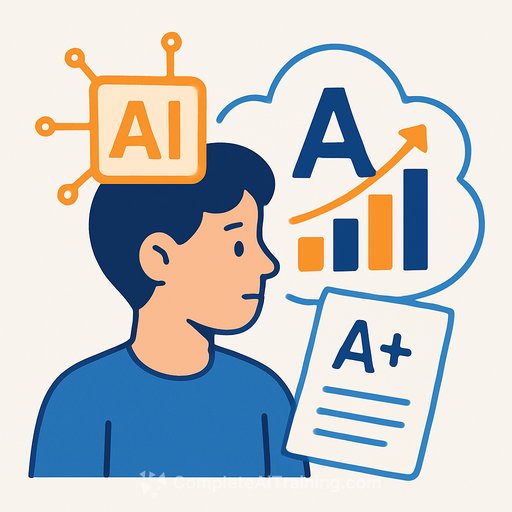
Student approaches to AI vary widely. Some turn in fully AI-generated essays or use chatbots to answer homework questions directly. Others upload entire worksheets to AI assistants and submit the results.
Many students acknowledge the shortcut approach undermines learning. "You don't learn anything, and then when it comes to the real tests, you're done," said Nariah Farrar, a Lewis and Clark High School freshman who received detention for submitting AI-written work in seventh grade.
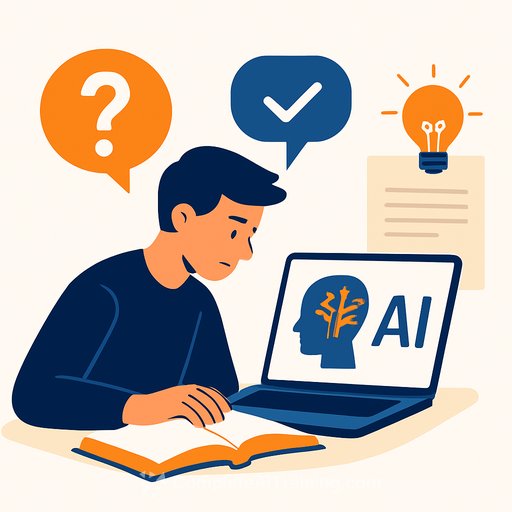
Other students use AI as a study tool rather than a shortcut. Quiz-generation apps, flashcard creators, and math tutors that explain steps rather than just provide answers are gaining traction. Superintendent Adam Swinyard said his daughter uses an app that converts class notes into podcasts for studying while running.
Some students refuse to use the technology entirely. Isaac Haney, an LC student, said he avoids AI even when teachers approve it, citing concerns about job displacement.
Schools Weighing Benefits Against Risks
Spokane's current guidance supports AI use in classrooms if there is "collaboration prior to using AI and transparency between educator and learner." The guidance warns against relying wholly on AI without verifying accuracy.
Kerwien told the school board that teachers could use AI to personalize lessons. A student interested in music, for example, could study world history through the lens of how different cultures' musical traditions developed, making the material more relevant while meeting curriculum standards.
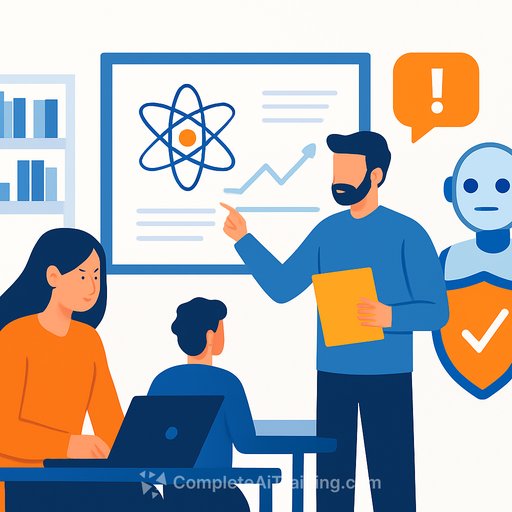
Gonzaga University has been training teachers across Washington state on integrating AI with a "human-centered approach." Anny Case, a professor and chair of the Department of Teacher Education at Gonzaga, said the question isn't whether AI belongs in classrooms but how educators and students can use it responsibly.
"The most important priority is the degree to which AI expands or undermines human potential," Case wrote. "It's not simply a matter of what AI can do for us, but rather, what is AI doing to us."
Students Want Guidance on Ethical Use
Robby Henrich, a Lewis and Clark sophomore, uses ChatGPT to explore history topics but never for schoolwork. He said he'd like schools to teach more about ethical AI use since he expects to encounter the technology in whatever career he pursues.
Swinyard framed the challenge as preparing students for a workforce where AI is already present. "The mission of the school district is to help prepare kids for the future workforce and help prepare them to be productive citizens in our community," he said.
For educators, the task ahead involves helping students distinguish between using AI as a learning tool and using it to avoid learning altogether. Learn more about AI for Education, or explore resources for AI Learning Path for Teachers.
Your membership also unlocks: