Hegemony of Stablecoins: Global Stablecoin Dominance and US Regulatory Reforms
Stablecoins, led by USDT (Tether), have rapidly expanded their footprint in the cryptocurrency landscape. Recent figures reveal that online gambling platforms alone processed stablecoin transactions worth $217.8 billion in 2024. This surge highlights a growing “shadow system” within global finance, where regulatory gaps allow capital to flow with limited oversight.
The 2012 case of SatoshiDice offers historical context. At its peak, this platform accounted for over half of Bitcoin network transactions by promoting transparent, “provably fair” gambling. However, U.S. regulations, specifically the 2006 Unlawful Internet Gambling Enforcement Act (UIGEA), created barriers targeting money flow rather than gambling itself, eventually leading to the platform’s shutdown.
Despite such regulations, digital dollars like USDT have exploited anonymity and global network integration to bypass these restrictions. Regulators worldwide are responding by enhancing on-chain analytics and enforcing rules such as the “Travel Rule” to monitor and blacklist suspicious addresses. Yet, controlling capital outflows linked to stablecoin-based gambling remains a challenge, demonstrating an ongoing tug-of-war between innovation and regulation.
Global Regulation and the Strategic Role of the GENIUS Act
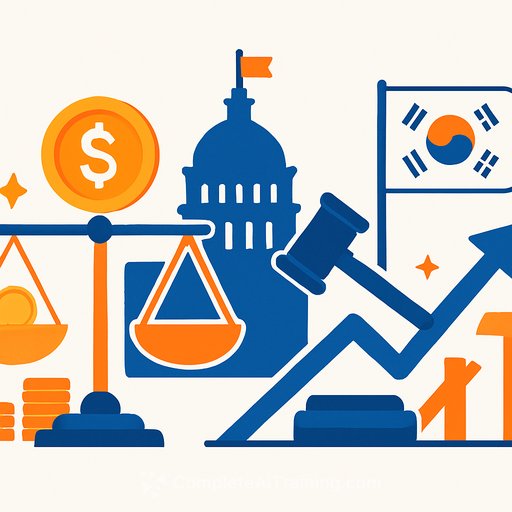
The United States marked a significant shift on July 18, 2025, with the signing of the GENIUS Act—the country’s first comprehensive federal law on digital assets. This legislation sets clear standards for stablecoin issuance, oversight, and consumer protection, aiming to strengthen the dollar’s role and national security while curbing illicit fund flows.
In parallel, the House-approved Clarity Act awaits Senate approval. This legislation aims to establish international regulatory standards and reinforce U.S. leadership in digital asset governance. It also provides domestic firms with safer environments to innovate through “regulatory sandboxes.” The combined approach balances security, investment, and innovation, positioning the U.S. to influence the global financial system decisively.
For South Korea, this development signals the need for a strategic response. Rather than replicating the U.S. model, Korea should leverage its strengths by building resilient financial markets, advancing core technologies, and fostering independent innovation ecosystems.
From Nimble Grasshopper to Strong Foundation: Korea’s Path Forward
The phrase “We are merely grasshoppers” once reflected a modest view of Korea’s position in the global financial and technological arena. Now, the focus must shift to identifying the fastest, most agile paths to competitiveness.
Looking at historical parallels, the automobile’s rise in 19th-century Britain faced resistance but eventually became a cornerstone industry through persistent innovation. Similarly, AI technology overcame early skepticism and technical limits to emerge as a transformative force. These examples illustrate that continuous technological and institutional evolution is key to success.
The future of stablecoins and blockchain technology follows a similar trajectory. Continuous innovation paired with adaptive regulation is essential. When technology advances swiftly, regulatory frameworks must keep pace through informed, flexible policies. This balanced approach will enable Korea to build “strategic weapons” for global competition based on technology and strong institutions.
South Korea’s path requires ongoing R&D, agile policy adjustments, and decisive implementation. This approach transforms the country from a “nimble grasshopper” into a solid foundation for sustainable growth and leadership in blockchain, finance, and emerging technologies.
Achieving technological sovereignty and competitiveness hinges on blending innovation with strategic regulation. Korea can evolve from an agile participant to a global leader by adopting this mindset and acting decisively.
- Explore more about stablecoin regulations and digital asset frameworks at U.S. Securities and Exchange Commission’s crypto resources.
- For insights on AI and automation tools relevant to finance professionals, visit Complete AI Training’s AI tools for finance.
Your membership also unlocks: