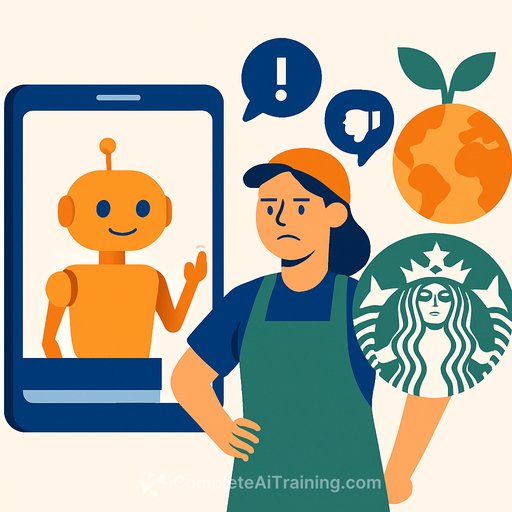
Starbucks Sparks Backlash After Announcing AI-Powered Update to Store Operations
Starbucks is teaming up with Microsoft Azure to introduce an AI virtual assistant, Green Dot Assist, aimed at streamlining in-store operations. While the technology promises operational support, the response from Starbucks baristas and customers has been mixed, especially considering the company's sustainability commitments.
What’s Happening?
At Starbucks' Leadership Experience 2025 conference in Las Vegas, the company unveiled Green Dot Assist, developed in partnership with Microsoft Azure’s OpenAI platform. This AI assistant is designed to assist baristas and store managers by providing quick access to recipe information, enabling virtual training, troubleshooting equipment, and managing schedules more efficiently.
The assistant soft-launched in 35 stores last month. Starbucks plans to roll it out to all locations in the United States and Canada by 2026, aiming to reduce friction in daily store tasks.
Why Artificial Intelligence Matters Here
Green Dot Assist leverages AI to optimize store workflows. However, some frontline employees express reservations about its practical value. On the r/starbucksbarista subreddit, one barista questioned if an AI assistant would be faster than simply asking a shift lead or coworker.
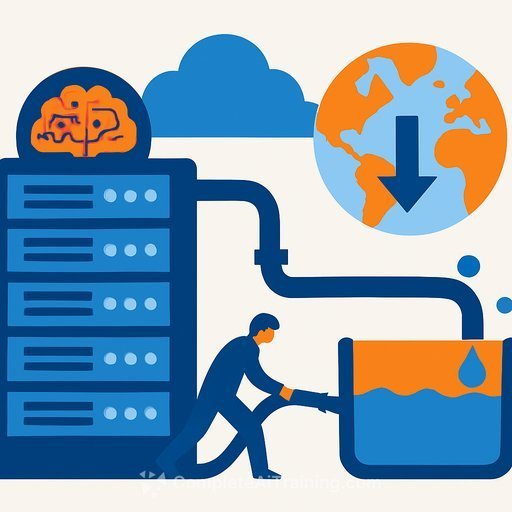
Others criticized the company for deploying AI instead of investing more in extended training hours and building staff confidence. The skepticism also ties into Starbucks’ public sustainability goals. AI technology requires extensive energy to run data centers, often sourced from carbon-intensive power plants.
A United Nations report highlights that carbon emissions linked to AI usage by major corporations, including Microsoft and Amazon, increased by 150% between 2020 and 2023. The rise of AI could push energy consumption and emissions higher, which conflicts with efforts to reduce environmental impact.
What This Means for Store Operations Professionals
- AI tools like Green Dot Assist can reduce time spent on routine queries, but they must be user-friendly and genuinely helpful to frontline staff.
- Rolling out AI requires balancing efficiency gains with employee buy-in and training improvements.
- Operations leaders should consider the environmental costs of new technologies alongside their operational benefits.
Steps You Can Take
Starbucks’ AI rollout comes amid ongoing challenges with sustainability practices. Earlier this year, Starbucks reintroduced ceramic mugs for in-store drinks, encouraging waste reduction through free refills. Yet, investigations revealed that many plastic cups labeled for recycling aren’t actually processed properly.
As operations professionals, you can push for transparent sustainability policies when adopting new tech. Supporting companies with clear environmental commitments helps align operational efficiency with sustainability goals.
If you want to learn more about AI tools in business operations and how to use them responsibly, check out Complete AI Training’s latest courses. Understanding both the capabilities and limitations of AI will help you make informed decisions in your role.
Your membership also unlocks: