AI in Healthcare Isn't Failing-Integration Is
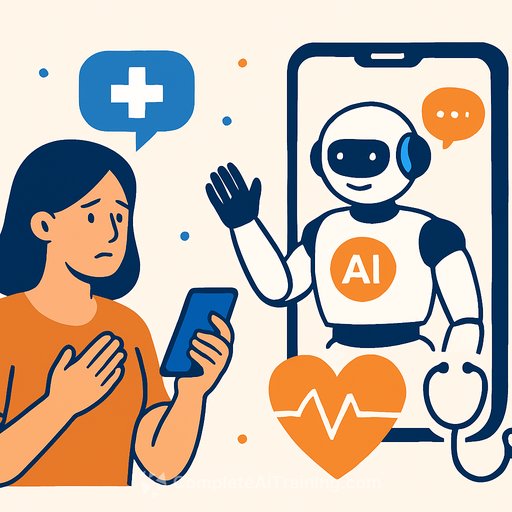
Healthcare is adopting AI at more than twice the rate of the broader U.S. economy. The promise is real, yet most projects stall on the hospital floor. Models that shine in pilots fall apart when they hit outdated infrastructure and incompatible data. The result: an illusion of progress-new dashboards everywhere, but clinician workflows barely move.
Point solutions pile up, each solving five percent of the problem while adding twenty percent more integration debt. Budgets get drained. IT teams get buried. Clinicians get another screen and the same bottlenecks.
The reality behind AI inflation
We fixate on the algorithm. That's rarely the hard part. The hard part is the unglamorous layer that interprets messy lab formats, reconciles coding systems, and speaks standards like HL7 and FHIR. Ignore that layer and you're building a high-performance engine with no wheels attached.
Hospitals end up with disconnected tools that can't talk to each other, creating friction instead of relief. Real progress is integration, not demos.
Start with the data, not the demo
Systems that scale accept the world as it is. One-dimensional lab reports, legacy files that never met a standard, half-scanned records still in circulation-this is the ground truth. Build for that.
A parsers-first approach sounds tedious. It's the difference between a short-lived pilot and a lasting platform. Teams that win get the inputs right before they show the interface.
Middleware, not replacement
No hospital is rebuilding EHRs or lab systems from scratch. Expecting that is fantasy. The path forward is middleware-software that sits between silos, translates, normalizes, and delivers a coherent view to clinicians and patients.
Finance solved a similar problem. Payment networks didn't rewrite every bank; they connected them. Healthcare needs its own connective layer that hides complexity behind a simple interface and lets information flow. Standards like FHIR exist for a reason-use them.
The human cost of poor integration
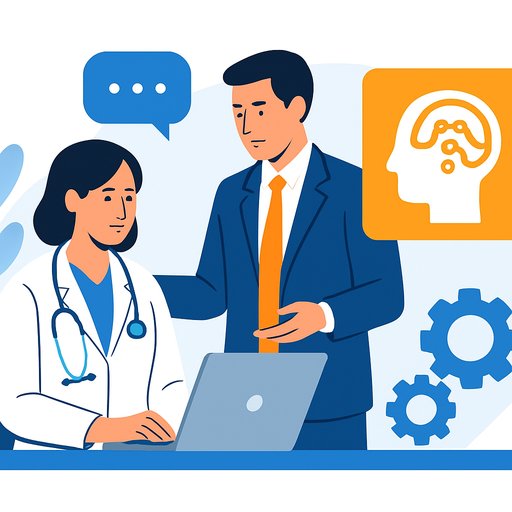
Clinicians are already overloaded with documentation. EHRs turned many into data custodians. Layer AI on top without proper integration and you add alerts, inboxes, and cognitive load.
With distress already high-especially among younger frontline staff-poorly connected tools waste investment and deepen exhaustion. Done right, AI removes admin weight, reduces duplicate entry, and gives time back to care. The difference is integration. Poorly connected tools multiply burnout. Well-designed systems reduce it.
Build for the long term
The next step in healthcare won't come from models trying to replace doctors. It will come from infrastructure that connects their tools. Recent trials even show diagnostic skill can dip with heavy AI assistance, which makes thoughtful integration non-negotiable.
The real value is making existing models usable in real clinical environments. Invest in translation layers, open standards, and shared accountability between vendors and health systems-supported by practical training such as AI Translation Courses. Healthcare's "Stripe moment" arrives when someone chooses to solve normalization and interoperability at the plumbing level.
A practical checklist for health systems
- Pick problems where AI outputs plug directly into an existing workflow step (orders, discharge, triage)-no extra portals.
- Mandate interface standards (HL7 v2, FHIR) in RFPs and contracts. No standard, no deal.
- Budget honestly: plan 40-60% of project effort for integration, data mapping, and change management.
- Go parsers-first: require vendors to handle your current lab feeds, coding systems, and scanned docs before UI polish.
- Pilot in production-like conditions: same data, same latency, same authentication, real users, clear rollback.
- Define shared KPIs: reduction in duplicate entry, time-to-note, turnaround time, alert fatigue, and net clinician time saved.
- Consolidate point solutions behind middleware or an interface engine to cut integration debt.
- Design for the clinician: fewer clicks, fewer alerts, no context switching. Integrate into the EHR view they already live in-complement this with human-centered training like AI Design Courses.
- Set data governance early: provenance, audit logs, versioned mappings, and a change control path with clinical sign-off.
- Plan the handoff: training, quick-reference guides, and clear support paths. Then measure and either scale or sunset.
The bottom line
AI doesn't fix bad plumbing. Integration does. Focus on translation layers, standards, and workflow fit, and the gains will show up where they matter-on the floor, with patients.
If your team needs structured upskilling on AI fundamentals and workflow design, explore role-based options such as AI Coding Courses.
Your membership also unlocks: