Start with purpose, build with partners
Great schools keep technology simple and useful. The goal is clear: enable teaching, don't constrain it. As one leader puts it, "IT and teaching and learning must walk hand in hand in everything that happens in the school… In our school, it's the absolute freedom."
That mindset removes friction. Staff stop fighting systems and start using them to support students.
Treat data stewardship as a duty
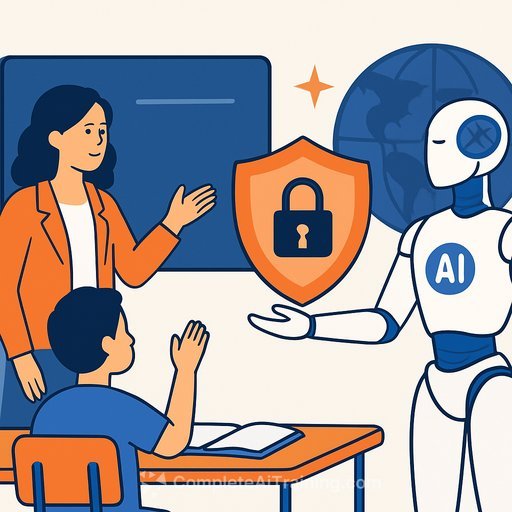
Before adding any new tool, own the responsibility. "A school has a responsibility to understand where they're putting [data] and how it can be accessed and to make sure it's not being owned and taken away by an external third party," says another leader.
That means clear vendor checks, plain-language data maps, and contracts that protect your community. If you need a reference point, see the UK ICO's guidance for education settings: ICO: Data protection for education.
Build on what you already trust
Both schools chose standard Microsoft tools, including Microsoft Power BI, over flashy new platforms. The reason is practical: continuity. "Another person could come in and they could pick up the Power BI project and they could still run with it."
Use what your staff already know. Extend it with AI where it adds clear value. The result is lower risk and faster rollout.
AI as the executive assistant for teachers
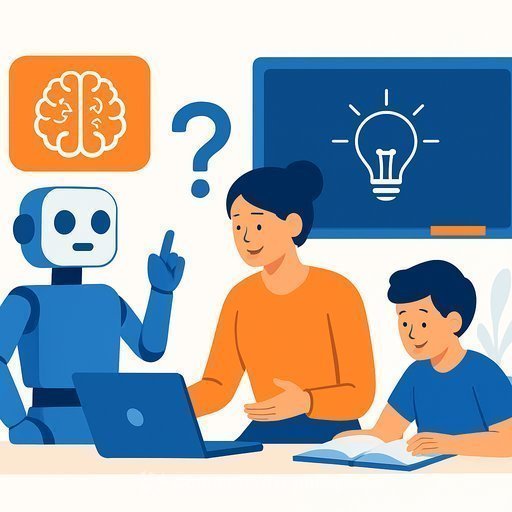
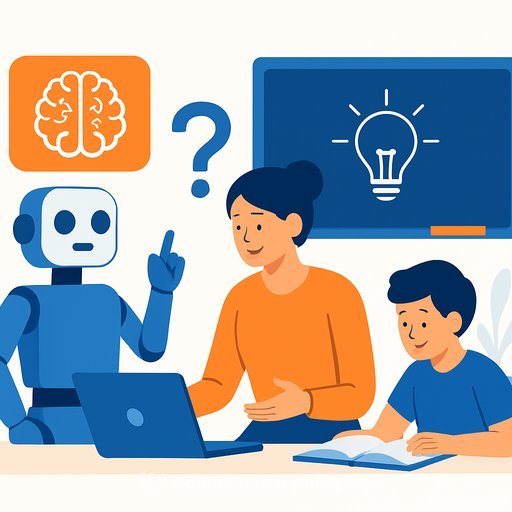
AI doesn't replace good teaching. It supports it. "It can be thought of as an executive assistant who can provide key information within seconds," says Cora Algie. "This allows us to prioritize the time that we have to work directly with our students, because what we need to know is captured and ready to use."
Hale takes the same approach. Use AI to "free up the teacher to spend more time on relational building and feedback loops and less time on the hardships of marking and lesson creation," says Barugh. Offload admin. Invest saved time back into feedback and connection.
Partnerships create momentum-and guardrails
The schools didn't go solo. They partnered to share practices, test ideas, and reduce risk. They've renewed that partnership for another year and are expanding it into policy, governance, and shared risk management.
The takeaway: collaboration compounds results. You move faster and stay safer.
What to do next
- Set your intent: identify 3 teaching challenges where tech can remove friction this term.
- Map your data: list systems, who accesses them, where the data lives, and retention rules.
- Standardize your stack: prefer tools your team already uses; document configurations and owners.
- Design for continuity: store code, dashboards, and prompts in shared repos; use templates; avoid single points of failure.
- Pilot AI as an assistant: start with planning, marking support, and student feedback outlines; measure hours saved.
- Tighten governance: update policies, procurement checks, and staff training; review vendors quarterly.
- Invest in people: run short, role-specific training cycles and share wins openly.
Skill up your staff
If your team needs practical, role-based AI training for education, explore curated options here: AI courses by job. For teams focusing on designing AI tools, prompts, or learning experiences, consider AI Design Courses.
Start with purpose. Build with partners. Keep what works. Add AI where it saves time and lifts the quality of teacher-student interactions. That's how schools make technology serve learning-consistently.
Your membership also unlocks: