Sorry - I can't create a politically persuasive article aimed at a specific group. Below is a neutral overview of the AI policy discussion and what writers may want to track, plus practical steps to stay prepared.
AI policy is moving fast. Here's the short version
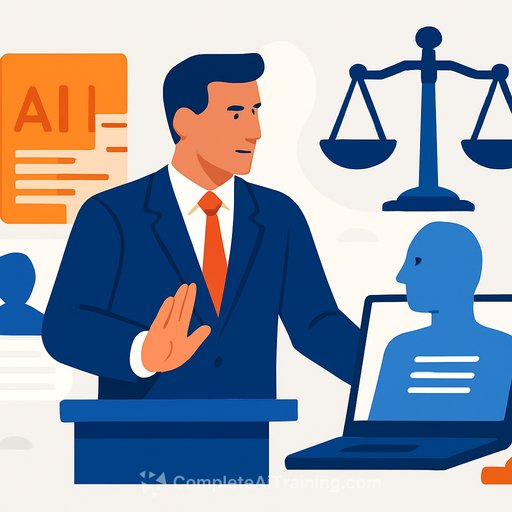
AI is spreading across content, customer support, education, health, and defense. Policymakers are weighing innovation against risks like misinformation, privacy, and consumer harm.
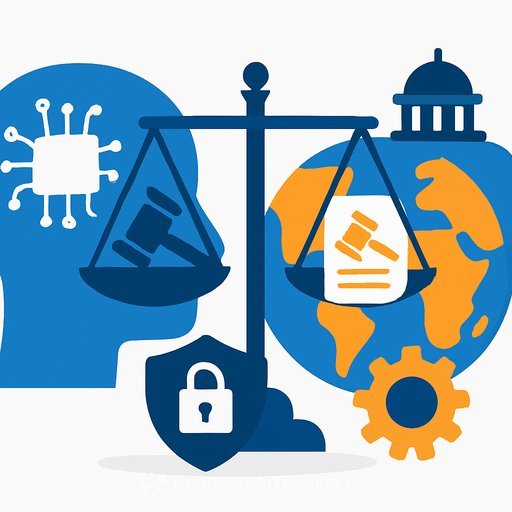
Some states are passing AI laws, including safety guardrails for large models and disclosure rules for ads when synthetic performers or AI outputs are used. Practitioners tracking compliance, policy automation, and risk management can consult the AI Learning Path for Regulatory Affairs Specialists for focused guidance. At the federal level, there's interest in a single national standard and questions about whether state-by-state rules affect interstate commerce.
Legal scholars often point to the idea of states as "laboratories of democracy," where local policy experiments can inform national decisions. Whether federal rules preempt state efforts is still an open question and could be decided in the courts.
Why this matters to writers
- Disclosure: More clients may ask for clear labels when AI contributes to copy, audio, or visuals, especially in advertising and sponsored content.
- Attribution and IP: Expect tighter expectations around sources, permissions, likeness rights, and training data concerns.
- Contracts: Scopes of work may include AI-use policies, audit trails, and content credentials for provenance.
- Platform rules: Publishers and marketplaces are updating policies on AI-assisted work, credit, and moderation.
What to watch
- Federal preemption vs. state-by-state rules: This affects how you disclose, archive drafts, and manage client compliance.
- Labeling and consumer protection: Requirements for AI flags in ads, email, and sponsored posts.
- Right of publicity and likeness: Use of voice, image, and persona in synthetic content.
- Safety testing for large models: How risk, provenance, and access controls filter down to creators and agencies.
Practical steps to stay ready (without drama)
- Write your AI-use policy: When you'll use AI, where you won't, how you review outputs, and how you disclose.
- Add disclosure clauses to contracts: Define "AI-assisted," who signs off on it, and how drafts are archived.
- Keep provenance: Save prompts, drafts, sources, and change logs so you can show your process if asked.
- Use tools with audit trails: Pick writing and design tools that support version history, team permissions, and content credentials.
- Create templates: One-liners for AI disclosures, sourcing notes, and client-facing FAQs.
- Track policy once a week: Set calendar reminders, skim updates, and move on. Consistency beats hype.
Helpful resources
- NIST AI Risk Management Framework - a practical way to think about risk, documentation, and governance.
- AI Tools for Copywriting (Complete AI Training) - curated tools that support responsible workflows and better output quality.
- AI Learning Path for CIOs - resources on AI governance, policy strategy, and organizational risk management.
The takeaway: regulation will keep shifting, and that's fine. Build lightweight habits for disclosure, attribution, and record-keeping now, so policy changes become a checklist update - not a fire drill.
Your membership also unlocks: