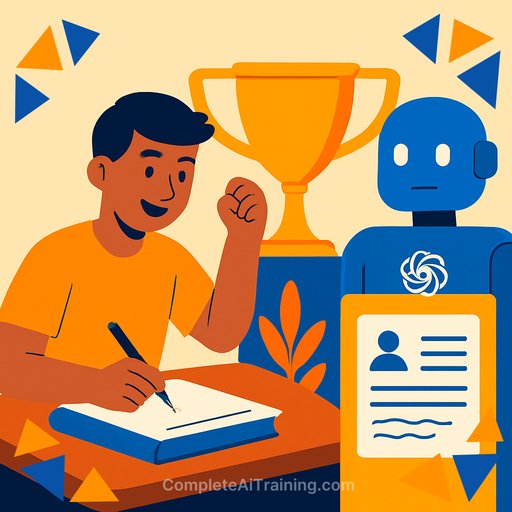
Students Outperform ChatGPT in Persuasive Writing, New Study Finds
ChatGPT can generate essays that are grammatically correct and coherent. But when it comes to the subtle art of engaging readers in persuasive writing, human students still hold the edge.
A recent study led by Professor Ken Hyland from the University of East Anglia, alongside Professor Kevin Jiang of Jilin University, compared 145 essays by UK university students with 145 essays produced by ChatGPT. Published in the journal Written Communication, the research highlights clear differences in how students and AI approach persuasion.
Where Students Excel: Engagement and Rhetorical Craft
The study focused on "engagement markers" — techniques that actively involve the reader. These include rhetorical questions, personal commentary, and directly addressing the audience with words like “you” or “we.” Such elements help create a connection, making arguments feel interactive rather than one-sided.
Student essays used these devices far more frequently, crafting a conversational tone that guides readers through complex ideas. In contrast, ChatGPT’s essays, while structurally sound, came across as impersonal and detached. They avoided questions and personal asides, resulting in less persuasive and less engaging texts.
Why ChatGPT Falls Short
ChatGPT generates text based on patterns from vast datasets but lacks an internal model of a specific audience. This "audience blindness" means it struggles to inject personality or a clear stance into its writing. The AI reproduces academic conventions but misses the nuances that make writing compelling and relatable.
As Professor Hyland explained, ChatGPT’s essays “tended to avoid questions and limited personal commentary,” leading to a weaker persuasive impact.
What This Means for Writers and Educators
- Human writers excel by making their work feel like a conversation, something AI cannot fully replicate.
- Persuasive writing depends on more than flawless grammar—it relies on connection and interaction.
- Understanding your audience and engaging them directly remains a uniquely human skill.
This study serves as a reminder that writing is not just about stringing sentences together but about thinking critically and inviting readers into your argument.
While AI tools like ChatGPT offer useful assistance, they should be seen as supplements rather than replacements for human creativity and insight. Educators are encouraged to integrate AI thoughtfully, focusing on teaching students how to think, not just how to produce text.
For writers looking to sharpen their persuasive skills, focusing on rhetorical techniques such as direct address and personal commentary can make a measurable difference. Resources like the UNC Writing Center’s guide on argument provide practical advice on these strategies.
Ultimately, writing remains a deeply human craft—one that thrives on connection, nuance, and perspective.
Your membership also unlocks: