Sumvin Launches AI-Directed, Permissioned Finance on Sei for Sub-Second Settlement
Consumer finance is still a patchwork of banks, cards, wallets, and apps. Sumvin wants to make it executable. The company has raised over $1 million in pre-seed funding and is targeting a Q2 beta for an AI-powered assistant that doesn't just analyze-it acts within guardrails you set.
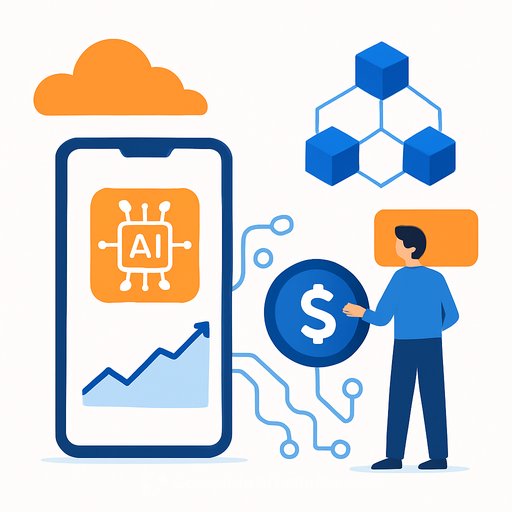
The pitch: set goals, preferences, and limits once; let the system handle repeatable tasks. Think automated savings allocation, spend adjustments against budgets, and pre-approved commerce actions-without tapping five different apps each week.
How It Works: Portable, Permissioned Execution
At the core is a reusable digital credential for verified (KYC'd) users. It's cryptographically anchored and portable, so an AI agent can prove who it represents and the exact actions it's authorized to take across services.
The upside for finance pros: structured execution, fewer redundant KYC loops, and tighter authorization boundaries. Less identity sprawl. More control over scope, limits, and revocation.
Why Build on Sei
Sumvin is building on Sei Network for speed and cost. Sub-second finality, near-zero fees, and native support for gasless interactions fit high-frequency, agent-driven workflows. Learn more at Sei Network.
The Sei Development Foundation is collaborating with Sumvin on privacy-preserving transaction flows, on-chain identity primitives, and programmable authorization frameworks-plumbing that matters if you want AI to act, but only within explicit, auditable rules.
Hybrid by Design: Bridging TradFi and Blockchain
Sumvin isn't trying to replace existing rails. It's building a unified execution layer that connects on-chain infrastructure with the financial systems people already use. Expect a hybrid model by default-interoperable with legacy providers, optimized for speed and automation.
Why Finance Teams Should Care
Automation with permissions can reduce administrative drag and enforce rules consistently. Done right, it also improves auditability: every action is authorized, scoped, and logged. That's useful for personal finance-and for teams managing budgets, cards, or shared accounts.
Potential use cases include automated cash sweeps, rules-based subscription controls, policy-driven micro-investing, and spend guardrails for departments or family members. The point is less manual upkeep and fewer "did we approve that?" moments.
Governance, Risk, and Compliance: What to Ask
- Authorization scopes: How granular are permissions? Can you time-bound, amount-cap, and context-limit actions?
- Revocation and recovery: How fast can you pause or revoke an agent's rights? What happens if keys/credentials are compromised?
- Audit trails: Do you get immutable logs of who authorized what, when, and under which policy version?
- Data minimization: What user data is stored on-chain vs. off-chain? How is sensitive PII protected?
- Third-party dependencies: What are the operational and legal implications of relying on Sei? What SLAs exist end-to-end?
- Custody and liability: Who is responsible for mis-execution, and how are disputes resolved?
- Security posture: How are agents sandboxed? How are transactions pre-validated to prevent unwanted autonomy?
- Regulatory readiness: How does the model align with KYC/AML, consumer consent, and e-sign/authorization standards?
Quotes
"AI has reached the point where it can take structured, real-world actions - not just generate content," said Simon Jones, CEO of Sumvin, Inc. "But for AI to act in consumer finance, it needs permission and verifiable infrastructure. Building on Sei allows us to design delegated finance from the ground up while remaining connected to the financial systems people rely on today."
"Sei was built to power the next generation of high-performance financial applications like Sumvin," said Gerald Gallagher, President at Sei Development Foundation. "Their approach to portable credentials and agent-driven execution represents a compelling example of how on-chain infrastructure can support real-world financial use cases."
What's Next
Sumvin is in talks with payments and technology partners and continues to raise capital ahead of its Q2 beta. Early access is available via the waitlist at sumvin.com.
Forward-Looking Considerations
As with any early-stage platform, outcomes depend on funding, product execution, partner integrations, regulatory change, infrastructure reliability, security, talent, and market demand. AI-driven financial services and crypto infrastructure remain heavily regulated and subject to rapid policy shifts. Treat timelines and expected capabilities as provisional until publicly validated.
Further Reading
Your membership also unlocks: