Suno Shifts Strategy From Audio Quality to User Control With v5.5 Release
Suno released v5.5 today with three customization-focused features: voice cloning, style personalization, and custom model building. The update marks a deliberate pivot away from incremental audio improvements toward giving creators granular control over AI-generated music.
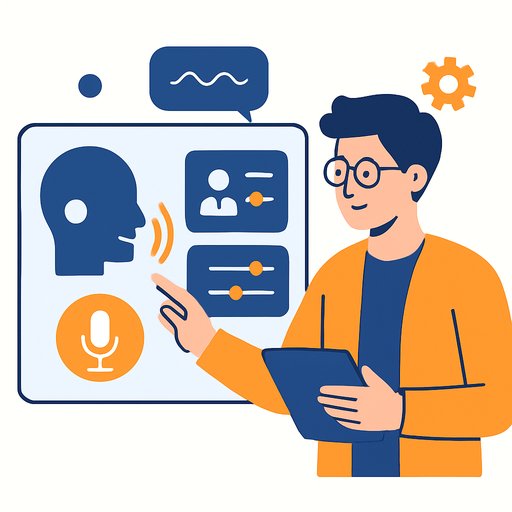
The centerpiece is Voices, a feature that lets users train the AI on their own voice. Users can upload clean a cappella recordings, submit finished tracks with backing music, or record directly into a microphone. The platform requires less training data from higher-quality source material, lowering the barrier for casual users while rewarding better audio capture.
Addressing the Voice Cloning Problem
Voice cloning carries obvious risks. Suno says it built safeguards to prevent users from training the model on someone else's voice without permission, though the company didn't detail how these protections work. The acknowledgment signals the company recognizes the technology's potential for misuse.
Two Additional Features Complete the Customization Suite
My Taste trains the AI on a user's musical preferences, functioning like a reverse recommendation algorithm that shapes output rather than surfacing existing content. Custom Models lets users build specialized versions of the underlying AI tuned to specific genres, styles, or creative approaches.
The shift reflects how Suno views the market. Rather than competing on raw audio fidelity-where incremental gains demand significant engineering effort-the company is betting that personalization drives adoption and retention.
For product teams, the decision illustrates a common inflection point: when a product reaches acceptable baseline quality, the next growth lever is often user control. AI for Product Development increasingly depends on understanding this transition and knowing when to stop optimizing commodity features.
The release also has implications for Generative Art workflows, where voice and style personalization directly enable new creative possibilities that weren't feasible before.
Your membership also unlocks: