Junior Attorneys Worry AI Will Displace Their Core Work
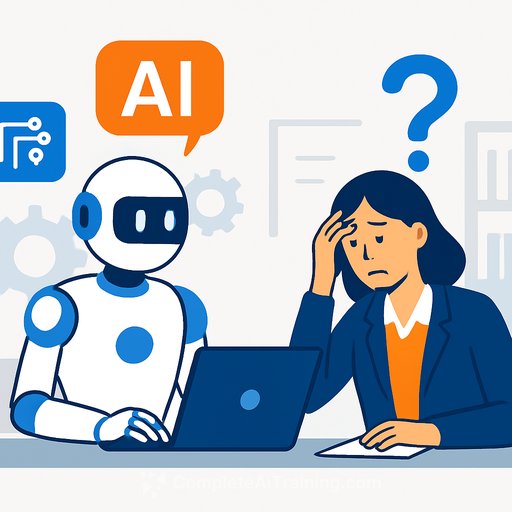
Both junior and senior lawyers believe artificial intelligence will absorb responsibilities typically handled by early-career attorneys, according to a Law360 Pulse survey. The finding has sparked concern among junior lawyers about job security and career prospects.
The survey captures a real tension in legal practice. Junior attorneys traditionally build expertise through document review, legal research, and contract analysis - exactly the tasks AI tools now handle efficiently.
What the concerns reveal
Senior lawyers recognize the threat. They've watched AI handle document-intensive work that once occupied junior associates for months. That experience formed the foundation of legal careers.
Junior attorneys face a different equation. Without those foundational assignments, they lose the chance to develop judgment and client skills that distinguish experienced lawyers.
The practical reality
AI won't eliminate junior attorney roles. But it will change them. Firms will expect junior lawyers to manage AI tools, interpret results, and handle work that requires judgment - not just execution.
For early-career lawyers, this means understanding how AI fits into legal work becomes as important as understanding legal doctrine itself.
What junior attorneys can do
Developing AI literacy isn't optional. Junior attorneys who understand how these tools work - and their limitations - position themselves as valuable to firms managing the transition.
Learning resources exist specifically for legal professionals. AI for Legal covers how AI handles legal research, document review, and contract analysis. For those in paralegal or similar roles, an AI Learning Path for Paralegals addresses the exact document-driven work most affected by automation.
The firms adapting fastest will be those where junior attorneys understand AI as a tool to work alongside, not a replacement to fear.
Your membership also unlocks: