AI Data Centers Create New Insurance Challenges, Swiss Re Warns
The rapid expansion of data centers powering artificial intelligence systems is creating complex, overlapping insurance risks that the industry has not fully accounted for, according to Swiss Reinsurance Co. Ltd.
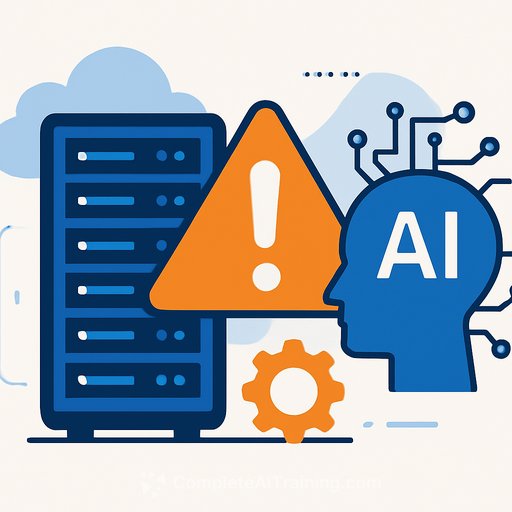
Data centers supporting AI applications consume enormous amounts of power and generate significant heat. They also concentrate valuable computing infrastructure in single locations, creating exposure to multiple types of loss simultaneously.
Traditional insurance models often treat risks in isolation. A fire at a data center triggers property coverage. A power failure triggers business interruption coverage. Cyber attacks trigger cyber policies. But AI data centers can trigger multiple claims at once, straining the assumptions underwriting teams use to price policies.
What Insurers Need to Know
The growth in AI adoption means more capital flowing into data center construction and operation. Companies are building facilities to handle the computational demands of large language models, machine learning systems, and other AI applications.
This concentration of risk differs from traditional IT infrastructure. Older data centers were distributed across regions and handled diverse workloads. New AI-focused facilities often serve a narrower purpose with higher power density and more specialized cooling requirements.
Underwriters should examine how their current policies handle correlated losses. A single event - severe weather, grid failure, or cyberattack - could trigger claims across property, business interruption, and liability coverage simultaneously. Swiss Re's analysis suggests many policies were not designed with this scenario in mind.
Operational Risks Worth Monitoring
Water availability poses an underestimated risk. Data centers require substantial cooling water, making them vulnerable in drought-prone regions. Climate change is making water scarcity more common and less predictable.
Supply chain disruption is another concern. Specialized components for AI infrastructure have long lead times. A damaged facility may take months to rebuild, extending business interruption exposure beyond standard policy limits.
Regulatory changes could shift risk allocation unexpectedly. Governments are beginning to regulate AI systems and the infrastructure supporting them. New rules could require facility upgrades, creating coverage gaps for policyholders.
Insurers writing data center policies should request detailed operational information: cooling systems, backup power capacity, geographic location relative to climate hazards, and cybersecurity measures. Standard questionnaires designed for conventional IT facilities may miss critical exposure.
Your membership also unlocks: