
AI news ·
Synthetic voice AI cuts work and pay for Korea's creative and language workers
Synthetic voice technology is cutting into incomes for South Korean voice actors and narrators, often using their work without consent or pay. TV shopping segments now run AI-generated disclaimers where human talent once worked.
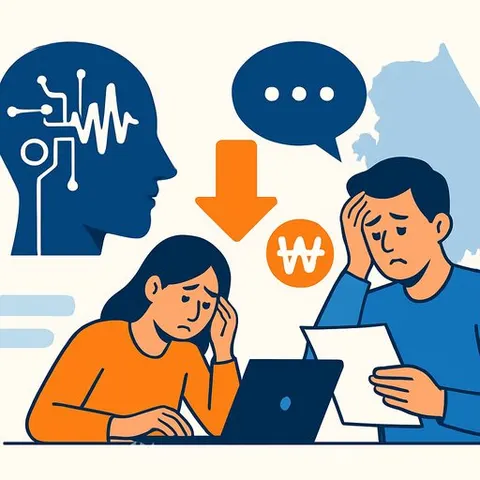
Synthetic Voices Are Replacing Human Creators in Korea's Media Industry
Synthetic voice technology is eroding incomes for voice actors, narrators, and other creative professionals across South Korea. The technology now handles work that previously went to human contributors, often without their consent or compensation.
The shift is visible in everyday media. TV shopping segments now use synthetic voices to deliver legal disclaimers-work that once employed human voice talent. That metallic-sounding narration represents a broader pattern: AI systems trained on or mimicking human creative work, deployed without agreements that protect the original creators.
The Labor Impact
Korea's creative and language sectors face direct income pressure. Synthetic voice systems reduce demand for voice-over professionals, copywriters, and language specialists who traditionally filled these roles. The technology doesn't just automate tasks-it removes negotiating power from workers who have few alternatives.
Consent remains a core issue. Many creators discover their work or voice characteristics have been used to train or develop these systems without explicit permission or payment.
What Creatives Should Know
If you work in voice, copywriting, translation, or other creative fields, understand how Text-To-Speech technology functions and where it's deployed in your industry. Korea's situation shows what happens when adoption moves faster than policy frameworks.
For professionals managing creative teams or making deployment decisions, Korea's experience offers a direct lesson: deploying synthetic voices or generative tools without addressing creator consent and compensation creates labor market friction and potential legal exposure.
Learn more about AI for Creatives to understand how these tools affect your field and what questions to ask before deployment.