
AI news ·
Take-Two CEO says AI supports company goals but won't replace artists or creatives
Take-Two CEO Strauss Zelnick says AI won't replace game artists - it will free them from repetitive tasks like manually rendering grass. He argues the creative judgment behind original designs stays human.
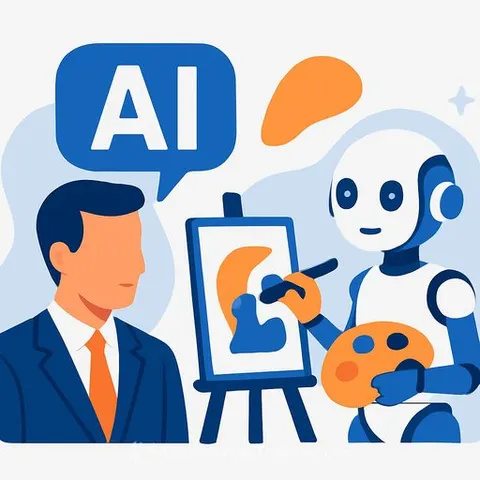
Take-Two CEO: AI Won't Replace Creatives, Just Their Tedious Work
Take-Two Interactive CEO Strauss Zelnick said artificial intelligence aligns with the company's three core business priorities: creativity, innovation, and efficiency. Speaking at the Semafor World Economy 2026 event, he pushed back against fears that AI will eliminate creative jobs in the video game industry.
The gaming sector has adopted AI tools to reduce costs and accelerate production timelines. Publishers have simultaneously used these efficiencies to justify layoffs, creating tension between productivity gains and workforce reductions. Zelnick's comments address a concern many creatives share: whether AI will make their skills obsolete.
AI Handles the Grunt Work
Zelnick used a concrete example to illustrate his point. In the early 1990s, when he entered the video game business, artists had to manually create individual blades of grass to make a lawn look realistic. Today, a single button populates an entire lawn automatically.
"Imagine that AI does that on steroids," Zelnick said.
The shift frees artists from repetitive tasks. Instead of spending time on procedural work, they focus on higher-level creative decisions-designing creatures, environments, and narrative elements that drive commercial success.
The Work Changes, Not the Worker
Zelnick rejected the premise that automation eliminates jobs. "They won't be out of work," he said of his artists. "They will be doing higher-quality work."
He emphasized that creators must still apply judgment and vision to AI-generated outputs. Artists take backward-looking AI tools-systems trained on existing work-and use them to create forward-looking designs that audiences haven't seen before. That creative leap remains fundamentally human.
This distinction matters for creatives evaluating their career prospects. AI handles automation; humans handle innovation.
Learn more about AI for Creatives and how these tools integrate into professional workflows.