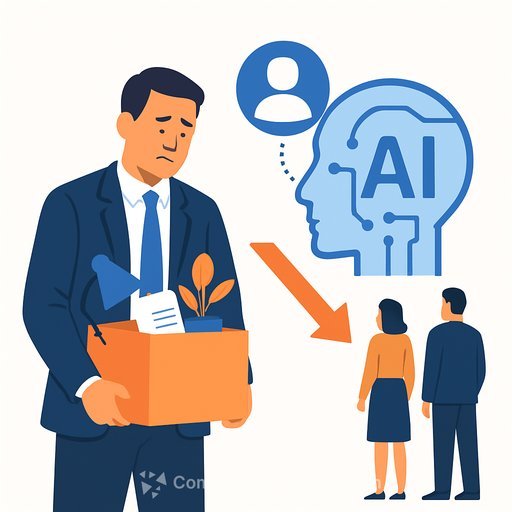
Take-Two Interactive Lays Off AI Team, Prioritizing Human Creativity
Take-Two Interactive, the parent company behind Grand Theft Auto and NBA 2K, shut down its entire AI development team on April 11, 2026. The decision reflects CEO Strauss Zelnick's long-standing skepticism about AI's role in game creation.
Zelnick has argued that AI cannot replicate the creativity and understanding of player experience that human developers bring to game design. The company's AI team, which had operated for seven years, is now disbanded.
Why This Matters for Development Teams
Take-Two's move stands out in an industry increasingly adopting AI for translation, artwork generation, and quality assurance testing. The decision signals that some major studios believe human creativity remains irreplaceable in core game development work.
For IT and development professionals, this raises practical questions about where AI tools fit in production pipelines. The debate isn't about whether AI has a role - it's about which tasks warrant automation and which require human judgment.
What Changed
The AI team, led by Dicken, had developed technology to support game development processes. Dicken has since launched LuDic AI, a consulting service advising companies on integrating AI into game development workflows.
Zelnick said: "AI lacks the inherent creativity that defines human talent." This reflects a specific position: that generative systems excel at certain tasks but fall short in creative direction and narrative design.
The Broader Picture
The gaming industry continues experimenting with Generative AI and LLM tools across different functions. Take-Two's decision doesn't signal industry-wide rejection of AI - rather, it shows studios are making targeted choices about where to deploy the technology.
Other major studios will likely face similar decisions. The question for development teams isn't whether to use AI, but how to integrate it without compromising the creative work that defines the final product.
Professionals in AI for IT & Development should expect continued debate over AI's appropriate role in creative workflows. The industry is moving toward a more nuanced approach than blanket adoption or rejection.
Your membership also unlocks: