
AI news ·
Take-Two sends cease and desist to fan account over AI-generated GTA 6 images
Take-Two Interactive sent a cease and desist to an X account posting AI-generated GTA 6 fakes that spread as real leaks. The account holder publicly apologized and admitted using copyrighted assets may break federal law.
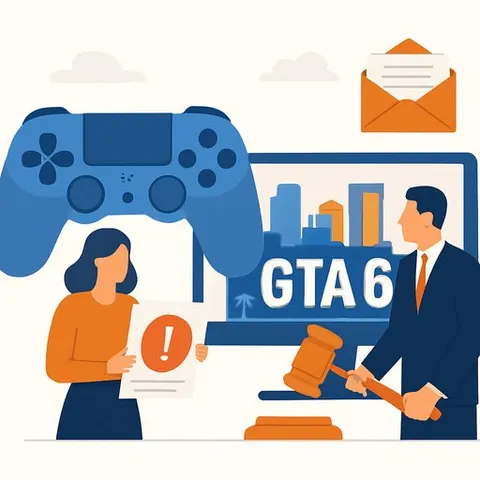
AI-Generated GTA 6 Fakes Land Fan in Legal Trouble
A social media account posting AI-generated images of Grand Theft Auto VI received a cease and desist letter from Take-Two Interactive after the fake images circulated widely as genuine leaks. The account holder, @GTASixJoker on X, issued a public apology and agreed to stop producing the content.
The images used Rockstar Games' copyrighted assets to create convincing fakes. Before Take-Two's legal action became public, the posts had already spread across social platforms, raising a practical question for content creators: what legal exposure comes from publishing such material?
What the Settlement Required
The account holder admitted in the apology that "training AI models with protected content may violate applicable laws and regulations." The public statement was not voluntary-it was a condition of resolving the dispute with Take-Two.
The cease and desist invoked federal copyright law under 17 U.S.C. §§ 106 and 501. Section 501 defines willful infringement of copyrighted work as a federal crime with penalties ranging from fines to incarceration in serious cases.
Take-Two's Enforcement Pattern
This case shows Take-Two pursues legal action against AI-generated fakes as aggressively as it handles actual data breaches. In 2022, when a real GTA 6 leak occurred from a genuine hack, the attacker received an indefinite hospital order.
The company's willingness to sue extends beyond stolen data. It targets content that impersonates leaks using protected assets, as this case confirms.
Broader Legal Implications
Recent AI legislation in the United States and Canada has begun targeting digital creations designed with deceptive intent. This adds legal complexity that barely existed two years ago.
Repeated Digital Millennium Copyright Act (DMCA) violations can result in permanent platform bans. Take-Two has a track record of pursuing both large and small-scale infringement through formal legal channels.
For legal professionals, this case illustrates how copyright law applies to AI-generated content-a gap many creators haven't considered. The risk isn't hypothetical. It's enforceable.
Learn more about AI for Legal professionals navigating emerging compliance issues.