Higher education's next move on AI: teach oversight, not shortcuts
Interest in AI education is surging. A review of searches for 28 AI education terms across all 50 states shows Virginia leading with 60.87 searches per 100,000 residents, followed by Maryland at 58.96 and New Jersey at 54.67.
At the same time, AI use on campus is already mainstream. A Digital Education Council study reports 80%-90% of students use AI regularly.
The skills gap employers keep flagging
Phillip Snalune, co-founder of the AI learning platform Codio, says higher ed needs to focus on immersive, hands-on instruction instead of passive, answer-first AI use. "The No. 1 skill enterprises are looking for is AI oversight and governance," he said, noting a disconnect between corporate ambitions and employee capabilities.
Codio's survey of executives and VPs found shortages in applied usage and data literacy, too. The takeaway is clear: students know how to ask AI for answers, but employers need graduates who can direct, check, and explain AI.
Stop answer-giving. Start skill-building.
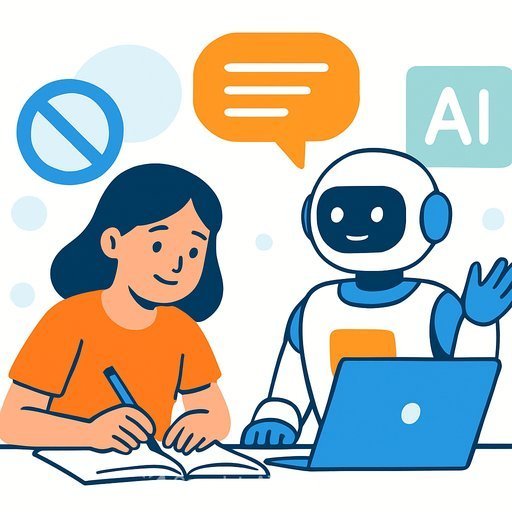
Faculty worry about cheating and weak safeguards. In response, Codio built an AI assistant called Coach that explains errors in plain language and nudges students to work through problems instead of handing out solutions.
As Snalune put it, "the technology is moving faster than curricula are being modernized." AI fluency is becoming a core literacy. The move now is from small pilots to program-wide practice.
A practical playbook for the next semester
- Make process visible: require prompt logs, reasoning summaries, error analyses, and version history with every AI-supported assignment.
- Teach oversight and governance: run labs on model selection, risk assessment, bias checks, and audit trails. Use the NIST AI Risk Management Framework as a reference.
- Assess what matters: add short oral checkpoints, supervised practicals, and code/data notebooks with commentary to verify authorship and understanding.
- Thread data literacy across majors: sampling, data quality, metrics, privacy, and policy. Move past tool tips into principles and practice.
- Write clear AI-use policies: define permitted tools and expectations, require disclosure, and log incidents to improve guidelines over time.
- Build employer bridges: co-develop capstones with real datasets and governance requirements; evaluate students on oversight, not just outputs.
- Upskill faculty fast: short workshops on prompting strategies, evaluation, and documentation. Share templates, exemplars, and rubrics across departments.
Where interest is headed
"The surge in AI-related education searches shows how Americans are embracing the future of work," a spokesperson from eLearning Industry noted. People are actively upskilling through online certifications and degree programs to stay competitive in an AI-driven economy.
How to measure progress
- Share of courses that require AI accountability artifacts (disclosures, logs, audits)
- Student self-efficacy with AI oversight, applied usage, and data literacy
- Employer feedback on graduate readiness for AI-enabled roles
- Placement into roles expecting AI fluency; internship-to-offer conversion rates
- Policy compliance and incident rates moving in the right direction
Bottom line
Technology will keep outrunning old syllabi. Higher education can close the gap by building oversight, applied usage, and data literacy through hands-on work-at scale, not as a side pilot.
If you're building programs or faculty training, browse role-based AI course paths you can plug into syllabi at Complete AI Training.
Your membership also unlocks: