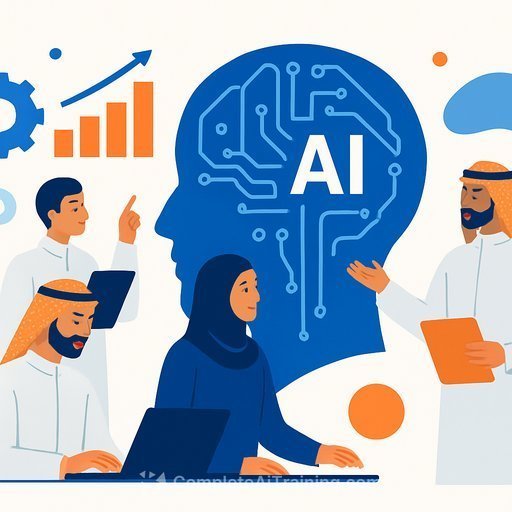
Artificial Intelligence and the Evolving Role of Teachers
AI is reshaping modern education across India. The push after the pandemic and the rollout of the National Education Policy (NEP) 2020 brought it from the periphery into daily practice. From personalised learning platforms and automated assessments to virtual tutoring and analytics, it now touches every part of teaching and learning.
This shift is especially useful in regions like Jammu and Kashmir, where weather, connectivity, and uncertainty often interrupt classes. AI helps restore continuity, reduce learning loss, and give students fairer access to support-no matter where they live.
What AI does well
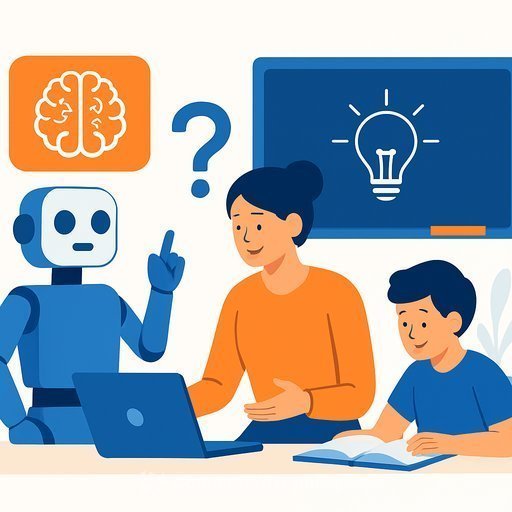
AI analyses large volumes of student data and spots patterns most teachers can't see in real time with large groups. It tracks mastery, gaps, pace, and preferences, then suggests what each learner should do next. In classrooms of 30-60 students, this is a practical way to ensure fewer students slip through the cracks.
It also clears repetitive work. Grading objective tasks, creating practice sets, drafting feedback templates-these are handled faster, freeing teachers to spend time where it matters most: discussion, projects, reflection, and mentoring.
What AI can't replace
AI can't model empathy, judgment, or values with the nuance students need. It doesn't read the room, notice a student's body language, or understand the social context behind a child's silence. Teachers do.
Human connection is still the backbone of education. Technology supports learning; teachers give it meaning.
India's direction: a teacher-technology partnership
Hybrid models are becoming normal. Schools and colleges use AI tools for assessment, practice, and planning, while teachers guide interpretation and build habits of mind. This mirrors the intent of NEP 2020, which emphasises competency-based learning and flexibility.
In Jammu and Kashmir, AI-enabled assessments, virtual classes, and digital assignments help maintain pace with national standards during disruptions. Low-bandwidth, mobile-first tools make a visible difference where connectivity is patchy.
The teacher's role is expanding
Teachers are moving from content delivery to learning design. They create experiences, build competencies, evaluate tools, and mentor students for life beyond exams. With routine tasks automated, the job now centers on thinking skills, creativity, ethics, and digital fluency.
Key shifts you can act on
- Design personalised pathways: Use AI insights to group students, set flexible goals, and plan targeted practice. Review data weekly; adjust quickly.
- Focus on competencies: Track problem-solving, collaboration, digital communication, and analytical thinking-not just syllabus completion.
- Evaluate edtech: Check pedagogy, privacy, and fit for your context. Prefer low-bandwidth tools in connectivity-constrained areas.
- Guide digital identity: Teach students to build a credible online presence, engage in communities, and seek mentors responsibly.
- Adopt portfolio assessment: Maintain ongoing evidence of learning-projects, reflections, prototypes. Use AI to organise; you provide the judgment.
- Teach digital citizenship: Address misinformation, cyberbullying, consent, and privacy. Model responsible use daily.
- Integrate sustainability: Connect lessons to local environmental issues. Encourage habits that protect fragile ecosystems in regions like J&K.
Practical workflow to get started
- Start small: Pick one class and one use case (e.g., formative quizzes). Measure impact for two weeks.
- Build a data rhythm: Set a simple weekly review: top three classwide gaps, top three student needs, next actions.
- Use blended routines: 10-15 minutes of AI-supported practice, then human-led discussion and application.
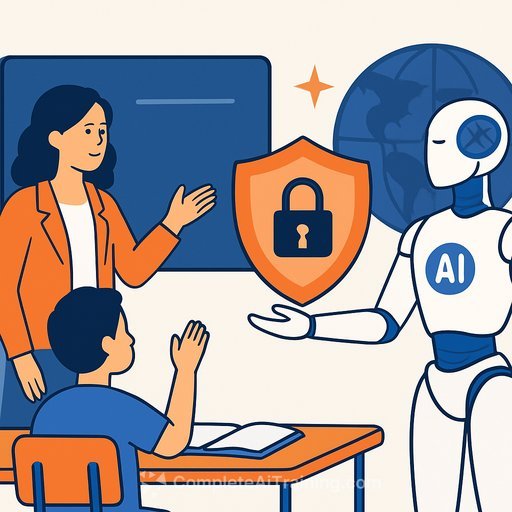
- Protect privacy: Use tools that are transparent about data use. Get consent where needed. Keep sensitive records offline when possible.
- Plan for outages: Keep downloadable content and offline tasks ready. Choose tools with offline sync for J&K contexts.
Assessment is changing-for the better
Periodic exams are giving way to continuous evidence: portfolios, performance tasks, and reflective journals. AI can tag work to competencies and flag patterns, but teachers translate that into next steps. This gives a fuller view of growth-academic and beyond.
Why this matters now
Students need more than subject knowledge. They need judgment, resilience, and a sense of purpose. AI brings efficiency and precision. Teachers bring values, context, and care. Put both together and you get learning that sticks.
Resources and next steps
- Policy context: National Education Policy 2020
- Global guidance: UNESCO on AI in Education
- Upskill with practical AI courses for educators: Complete AI Training - Courses by Job
The classroom of tomorrow won't be run by machines. It will be enriched by them-and led by teachers who keep learning human, rigorous, and relevant.
Your membership also unlocks: