
AI news ·
Teachers say schools need clearer AI policies and less reliance on classroom laptops
Washington state teachers are divided on AI in classrooms, with some pushing for electronics bans and others favoring clear usage rules. Research shows students given no guidance tend to let AI replace their thinking rather than support it.
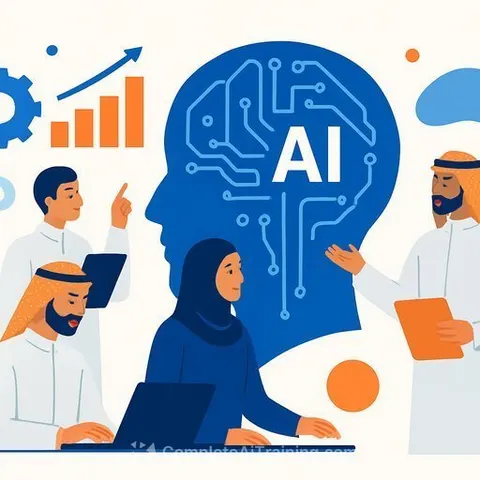
Teachers Say Schools Need Clear Rules for AI, Not Bans
Teachers across Washington state are adapting to AI tools like ChatGPT, but they're split on how schools should handle the technology. Some want to eliminate classroom electronics entirely. Others see potential benefits if students learn to use AI responsibly.
Research shows a troubling pattern: students using AI tools without guidance tend to outsource their critical thinking rather than enhance it. Existing classroom distractions from laptops and phones compound the problem.
The education system needs policies that acknowledge both the risks and the practical value of AI. An all-or-nothing approach won't work.
Reduce classroom electronics, keep the labs
Teachers report that laptops and tablets in classrooms distract more than they help. One middle school teacher now requires first drafts to be handwritten in class. A university professor uses live presentations to verify students actually understand the material.
The widespread shift to Chromebooks hasn't delivered promised learning gains. Schools could adopt a middle path: reserve computers for dedicated lab time or allow individual laptop loans for homework. North Carolina has tested this model successfully.
Teach students how to use AI responsibly
Banning AI entirely leaves students unprepared for workplaces where these tools are standard. California's governor rejected a bill that would have blocked chatbot access for minors under 18, noting that students need exposure to tools they'll encounter in their careers.
Teachers identified real benefits: AI can personalize assignments to individual student needs, provide tutoring support, and reduce grading workload. The solution isn't prohibition-it's establishing clear expectations.
Schools could adopt basic AI etiquette guidelines:
- Disclose when and how AI was used in an assignment
- Attempt the work yourself before using AI
- Verify AI's output-it makes mistakes
- Ask AI to argue against its own conclusion
College students often hide AI use out of fear of punishment, even when permitted. Setting guardrails early and normalizing disclosure teaches students when these tools are and aren't appropriate.
For educators looking to build expertise in this area, AI for Teachers courses provide practical frameworks for classroom implementation. ChatGPT Courses also help educators understand the specific tools students are using.
The middle ground works
Teachers recognize that classroom technology presents real tradeoffs. Electronics distract students, but eliminating them entirely wastes potential benefits. AI can reduce teacher workload and personalize instruction, but only if students use it as a tool, not a shortcut.
Effective policy focuses on demonstrable student outcomes and practical guidance on when technology helps and when it hurts. States now regulating AI in schools have an opportunity to move beyond reactive bans and establish standards that prepare students for the world they'll actually enter.