Guiding, Not Guarding: Building AI-wise Classrooms with the JC GoAI Project
Published: 12:00am, 16 Dec 2025
AI is changing the skills schools need to grow: technical fluency plus critical and creative thinking. That means less sit-and-get, more skills-based learning where teachers design experiences and students apply AI across subjects.
The JC GoAI Project brings teachers and principals together to co-develop practical resources with support from subject experts at CUHK. With input from government, leading institutions and industry, the work stays aligned to student needs and broader education goals.
From restriction to responsibility
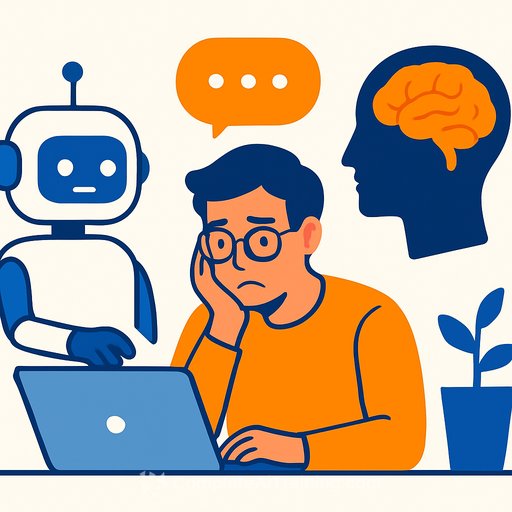
AI is already in students' hands. As Dr Jessie Cheung Chok-fong, Chairperson of the Subsidised Primary Schools Council and Advisory Committee Member of the JC GoAI Project, puts it: "Some teachers worry AI will make their children lazy. But what I see is, if students are going to use these tools anyway, not teaching AI literacy is far more dangerous than teaching it. Our role is not to restrict them, but to guide them to use it responsibly and ethically."
That shift-from blocking tools to building judgment-is where schools are heading. Mr Andy Li, Chairman of ACTICT and Advisory Committee Member of the JC GoAI Project, points to groundwork already laid by computational thinking programmes like CoolThink@JC, which help students break problems into steps, analyse data, and design solutions. AI education builds on those habits to explain how systems learn from data, where they fail, and how to use them well.
AI as a creative partner in learning
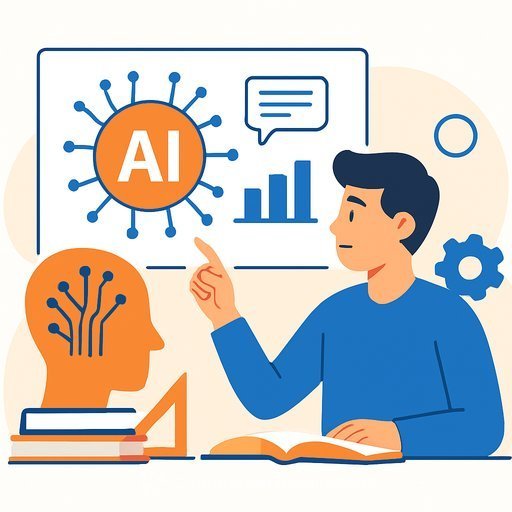
AI isn't just for coding. It can make language, science, and humanities lessons more hands-on and reflective.
In one Chinese lesson, a teacher introduced 畫蛇添足 ("to ruin something by overdoing it"). Students used an AI tool to generate visual interpretations. The results were often absurd-and that was the point. The learning deepened when students asked: Is this accurate? If not, why? Then they refined prompts and tried again. They weren't just using a tool; they were developing judgment.
Adaptive support without losing human understanding
Secondary students feel AI's value in personalising explanations. "Every student learns differently, but one teacher can only explain a concept in one or two ways. AI can offer ten or even twenty variations until one finally resonates," says Mr Dion Chen, Chairman of the Hong Kong Direct Subsidy Scheme Schools Council and Advisory Committee Member of the JC GoAI Project.
He recalls a student stuck on a logic puzzle. A chatbot guided the student using a reasoning style that clicked. Confidence rose once the concept landed. The rule, though, is clear: students should be able to explain their reasoning afterward. If they can't, the tool is driving the learning instead of supporting it.
Teach what AI can't: judgment, ethics, human insight
AI can support feedback, practice, and exploration. It can't replace empathy, ethical decision-making, or the ability to choose the right approach for a specific context. Those are still human jobs.
For AI to help rather than distract, integration must be thoughtful and tied to everyday lessons. The frontline experience of teachers turns technology into workable pedagogy that stays grounded in ethics and student thinking.
Make it practical: Moves schools can use now
- Set a clear AI use policy that emphasises responsibility, citation, and transparency in student work.
- Teach prompt critique: ask students to check outputs for accuracy, bias, and missing context-then iterate.
- Embed AI across subjects: language (drafting, translation critique), science (data explanations), humanities (source analysis).
- Require a thinking trace: even if AI assists, students must explain their process and justify decisions.
- Use AI for adaptive explanations, not answers-multiple ways to explain the same concept, then a quick oral check.
- Map AI learning to existing goals: computational thinking, media literacy, ethics, and digital citizenship.
- Protect privacy: avoid sharing personal data; model safe use and tool selection.
- Invest in teacher communities: co-plan prompts, share sample lessons, and review classroom impact together.
What the JC GoAI Project delivers
Funded and initiated by The Hong Kong Jockey Club Charities Trust and co-created by school educators with support from The Chinese University of Hong Kong (CUHK), the JC GoAI Project builds students' literacy and capabilities in generative AI. The goal is simple: help students learn effectively across disciplines through responsible use of technology.
The project convenes teachers, principals, and subject experts to develop classroom-ready materials that meet real needs and fit existing curricula. Official launch: late February 2026.
Further reading and professional learning
UNESCO: AI in Education - high-level guidance on policy, ethics, and teaching implications.
AI courses by job role - Complete AI Training - practical options for educators who want hands-on skills and classroom use cases.
Your membership also unlocks: