Bidirectional Human-AI Alignment: Building Trustworthy Learning Environments
AI is moving into classrooms and institutions with real force. It can personalize learning, lighten workload, and surface insights-while raising hard questions about fairness, privacy, and student autonomy.
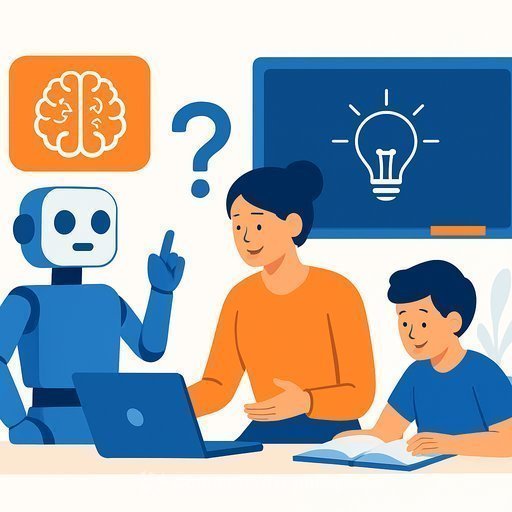
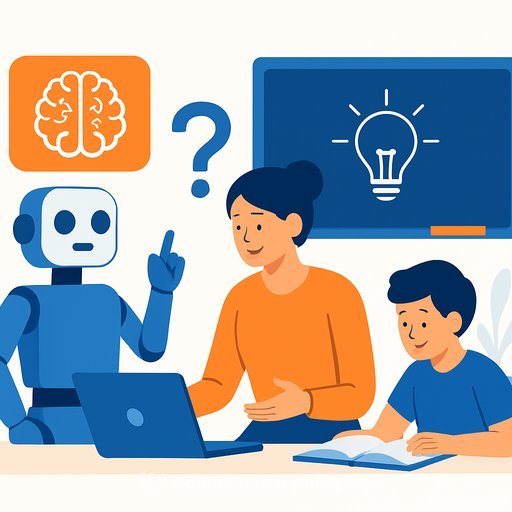
The path forward is bidirectional human-AI alignment. People and systems adapt to each other. Educators, students, and developers shape how AI operates, and AI tools respond to clear goals, constraints, and ethical guardrails.
What "Alignment" Means in Education
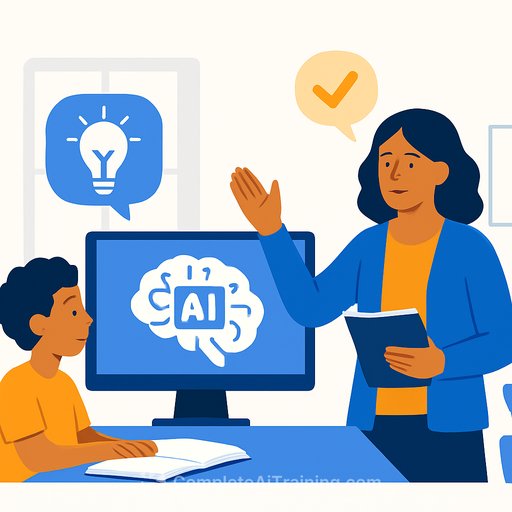
Alignment isn't just about accuracy. It's about keeping AI accountable to educational values and outcomes, while preserving human oversight and student agency.
This approach treats AI as a collaborative partner for teaching and learning, not a replacement. The goal is simple: improve equity, transparency, and human development without sacrificing trust.
The Three Foundations of Trustworthy Learning
1) Core values and ethical principles
- Commit to equity, inclusivity, privacy, transparency, and accountability from day one.
- Use diverse training data, accessible design, and clear data governance to reduce bias and close gaps in access and achievement.
- Disclose data sources and model limits. Give users meaningful controls over data collection and use.
2) Educational goals and desired outcomes
- Prioritize critical thinking, creativity, and lifelong learning-not just task completion.
- Align AI feedback with standards and higher-order skills. Keep grading and high-stakes calls under human oversight.
- Strengthen student agency with choice, reflection, and transparent reasoning paths.
3) Human-AI interaction norms and boundaries
- Define the role of AI for each use case: tutor, coach, co-planner, analyzer, or administrative assistant.
- Set clear boundaries: when AI suggests, when humans decide, and how exceptions are handled.
- Make system prompts, limitations, and confidence levels visible to teachers and students.
Practical Strategies for Educators
- Start with an "AI use policy" for your course or school: what's allowed, what's off-limits, and how to cite AI assistance.
- Run small pilots: one tool, one unit, one class. Collect feedback, look at student outcomes, and iterate.
- Use AI for planning, formative feedback, and differentiation; avoid outsourcing core cognitive work.
- Teach AI literacy: prompt clarity, bias checks, source verification, and reflection.
For classroom-ready professional development and lesson ideas, see the AI Learning Path for Primary School Teachers.
Practical Strategies for Developers and Vendors
- Publish model cards, data policies, and known limitations in plain language.
- Provide educator-facing controls: curriculum alignment toggles, safety settings, and audit logs.
- Offer bias, privacy, and accessibility testing with third-party validation where possible.
- Design for explainability: show reasoning steps, references, and uncertainty indicators.
Institutional and Policy Actions
- Create governance boards with teachers, students, families, and technologists. Review tools before and after deployment. Institutional leaders can consult the AI Learning Path for CIOs for governance and procurement guidance.
- Adopt clear procurement criteria: privacy by default, accessibility, interoperability, auditability, and evidence of learning impact.
- Establish incident reporting and response processes for harm, bias, or data misuse.
- Fund ongoing professional learning so staff can evaluate, supervise, and improve AI use across programs.
For reference frameworks, see the NIST AI Risk Management Framework and UNESCO's guidance on AI in education here.
Keeping Equity and Privacy Front and Center
AI should close gaps, not widen them. Prioritize solutions that work offline or on low-bandwidth, support multiple languages, and include accessible design.
Minimize data collection, anonymize where possible, and give learners clear opt-outs. Publish retention timelines and who can access what data and why.
Classroom Use Cases That Respect Learning
- Teacher co-planning: Draft lesson outlines aligned to objectives; teacher refines and sets final plan.
- Formative feedback: Provide targeted hints and criteria-based comments; teacher reviews summaries and adjusts instruction.
- Student thinking support: Compare approaches, surface misconceptions, and prompt reflection without giving full solutions.
- Administrative relief: Automate routine emails, schedules, and summaries so teachers can focus on students.
Continuous Adaptation: Make Alignment a Habit
- Define success metrics: learning gains, engagement, time saved, equity indicators, and student agency.
- Review outcomes each term. Retire tools that underperform or compromise trust.
- Update guardrails as models change. Keep humans in the loop for complex or high-stakes decisions.
Quick Start: 30-60-90 Day Plan
- Days 1-30: Draft AI use guidelines, pick one low-risk pilot (e.g., lesson planning), and train staff on privacy and bias basics.
- Days 31-60: Run the pilot, gather student and teacher feedback, and track learning and workload data.
- Days 61-90: Review results, refine your policy, expand to a second use case, and set up ongoing evaluation.
Professional Learning and Tools
If you're building skills across roles, explore curated AI courses and certifications by job function. For example, the AI Learning Path for Project Managers offers practical planning, risk, and workflow modules to run pilots and scale initiatives.
The Bottom Line
Bidirectional human-AI alignment keeps education human-centered. Clear values, clear goals, and clear boundaries create trust-and better learning.
Start small, measure honestly, and keep improving. The schools that do this well will help students think deeper, act ethically, and learn for life.
Your membership also unlocks: