Telehealth Startup Medvi Under Fire for AI-Generated Doctor Ads
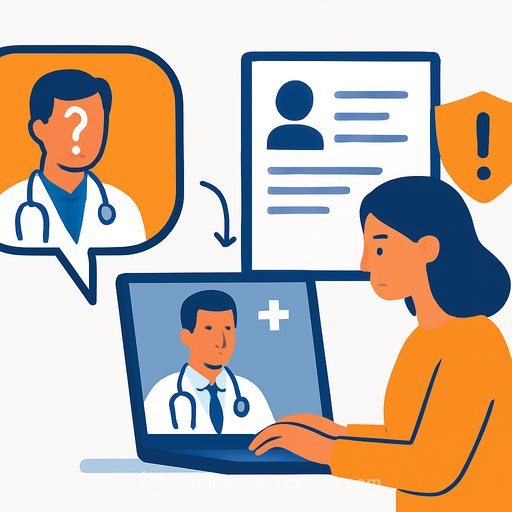
Medvi, a telehealth company founded in 2022, has drawn legal challenges and regulatory scrutiny over its use of seemingly fake doctor profiles in marketing materials. The startup projects over $1 billion in sales by 2026, but its rapid growth has been fueled partly by AI-generated advertisements featuring doctors whose identities and credentials may not match real individuals.
Medical providers have filed lawsuits alleging their likenesses were used without permission. Dr. Matthew Anderson, one provider taking legal action, said the company exploited both patients and medical professionals for financial gain.
What This Means for Marketing Teams
The Medvi case exposes a critical gap between what AI tools can do and what they should do. Marketing departments using generative AI to create content-whether ads, testimonials, or spokesperson imagery-face real legal and reputational risk if that content misrepresents real people or credentials.
For marketers, the stakes are straightforward: using AI-generated personas without clear disclosure can trigger lawsuits, regulatory action, and brand damage. The healthcare industry has stricter compliance requirements than most sectors, but the underlying principle applies across industries.
Founder Matthew Gallagher built the company's website and provider contracts using AI technology. The same tools that enabled rapid scaling also enabled the deceptive marketing practices now under investigation.
Regulatory Pressure Mounting
Telehealth platforms operate in a heavily regulated space. State medical boards, the FTC, and healthcare regulators are watching how companies deploy AI in patient-facing contexts. Medvi's legal challenges suggest enforcement is accelerating.
Companies marketing healthcare services need to audit their AI-generated content for accuracy and disclosure. Fake credentials or fabricated endorsements aren't a gray area-they're violations.
The Broader Issue
Medvi's problems highlight why marketers need to understand both the capabilities and the limits of generative AI. Creating realistic fake personas is technically possible. It's legally and ethically indefensible in regulated industries.
Stronger oversight in telehealth is coming. Marketing teams should assume that regulators will scrutinize any AI-generated content involving medical credentials, patient testimonials, or healthcare provider endorsements.
For marketing professionals working with AI tools, the lesson is direct: transparency and accuracy aren't optional compliance checkboxes. They're the foundation of sustainable growth.
Learn more about responsible AI use in marketing by exploring AI for Marketing and understanding how Generative AI and LLM tools work-and where their application crosses ethical lines.
Your membership also unlocks: