
AI news ·
Tempus AI faces lawsuit over sharing patients' genetic data with Eli Lilly, AbbVie
Tempus AI is accused of illegally sharing patient genetic data with Eli Lilly and AbbVie after acquiring a genetic testing company, according to a lawsuit filed in Illinois. Patients say they never consented to third-party sharing.
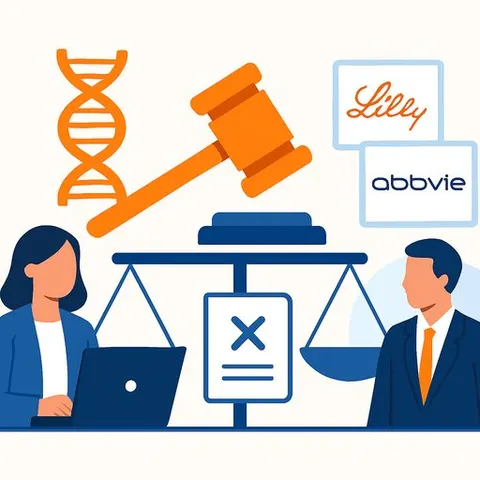
AI Health Company Accused of Illegally Sharing Genetic Data
Tempus AI violated Illinois' genetic privacy law by forcing an acquired genetic testing business to disclose patient genetic information, then sharing that data with pharmaceutical companies including Eli Lilly and AbbVie, according to a lawsuit filed in U.S. District Court for the Northern District of Illinois.
The complaint alleges the healthcare AI company compelled the disclosure through data agreements it established after acquiring the genetic testing business. Patients claim the company breached consumer protection laws alongside the state's genetic privacy statute.
The Core Violation
Illinois law restricts how genetic information can be collected, used, and shared. The lawsuit says Tempus AI circumvented these protections by obtaining genetic data from patients who had consented only to limited use by the original testing company.
Once obtained, the data moved into commercial agreements with major pharmaceutical firms. Neither Eli Lilly nor AbbVie are named as defendants, but the lawsuit identifies them as recipients of patient genetic information through these data-sharing arrangements.
What Patients Are Claiming
The case is structured as a class action, meaning it represents multiple patients harmed by the same conduct. Plaintiffs argue they never authorized sharing their genetic data with third-party pharmaceutical companies.
The law firm Ahdoot & Wolfson is representing the plaintiffs. The complaint was filed in April 2026.
Implications for Healthcare Companies
The lawsuit signals enforcement risk for healthcare and biotech firms that acquire genetic testing operations. Acquisition agreements must account for existing patient consent frameworks and cannot unilaterally expand data use without new authorization.
Illinois' genetic privacy law imposes specific requirements around disclosure, consent, and data handling. Companies that ignore these requirements face class action exposure and regulatory scrutiny.