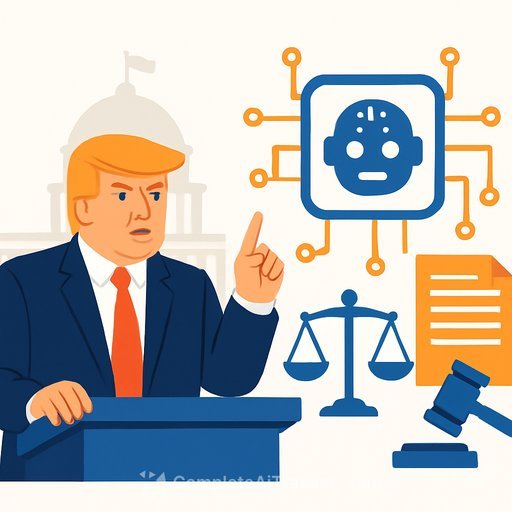
Texas Enacts Comprehensive AI Law: Disclosure, Consent, and Compliance Rules Effective 2026
On June 22, 2025, Texas Governor Greg Abbott signed House Bill 149, introducing the Texas Responsible Artificial Intelligence Governance Act (TRAIGA). This law creates one of the most detailed state-level AI regulatory systems in the U.S., targeting developers, deployers, and government bodies that use artificial intelligence systems.
TRAIGA’s provisions will become effective January 1, 2026, setting new standards for transparency, consent, and operational compliance with AI technologies.
Defining Artificial Intelligence Systems
TRAIGA defines an artificial intelligence system as any machine-based system that processes inputs to produce content, decisions, predictions, or recommendations affecting physical or virtual environments. The goal is to promote responsible AI use while protecting individuals from potential risks via clear oversight and disclosure requirements.
Key Provisions of the Texas AI Law
- Consumer Protection: AI models that intentionally discriminate against protected classes, violate constitutional rights, or incite harm are prohibited. Government entities cannot use AI to identify individuals through biometric data without informed consent or assign social scores based on behavior or personal traits.
- Disclosure Guidelines: Entities deploying AI systems that interact with consumers must provide clear, plain-language disclosures prior to or at the time of interaction. The use of deceptive design tactics, often called “dark patterns,” is banned.
- AI Regulatory Sandbox Program: Subject to approval by the Department of Information Resources and other agencies, individuals may test AI programs in a controlled setting without needing Texas licensing. During testing, the attorney general cannot pursue enforcement actions for violations occurring in this period.
- Safe Harbors: Entities that follow established risk management frameworks like the NIST AI Risk Management Framework or identify violations through audits or adversarial testing may receive protection from enforcement actions.
- Enforcement and Penalties: The Texas Attorney General holds exclusive authority to enforce TRAIGA. Civil penalties range from $10,000 to $200,000 per violation, with daily fines for ongoing noncompliance.
Implications for Legal Professionals and AI Stakeholders
With TRAIGA, Texas joins Colorado as one of the few states enacting broad AI regulations, while other states like Virginia have taken different paths. Legal professionals must track these evolving state laws to advise clients on compliance, risk management, and operational planning across jurisdictions.
Understanding TRAIGA’s requirements will be critical for companies developing or deploying AI in Texas. Ensuring proper disclosures, securing informed consent, and adhering to compliance frameworks can reduce legal risks and support responsible AI use.
Those interested in expanding their expertise in AI governance and regulatory compliance may benefit from targeted training. Relevant courses and certifications are available at Complete AI Training, offering practical insights tailored for legal and compliance professionals.
Your membership also unlocks: